
Discover the unique color palettes and visual cues that define Bong Joon-ho movies.


What can designers and other creators learn from the success of South Korean filmmaker Bong Joon-ho’s movies? Join us as we travel through his beautifully crafted worlds, which contain everything from supernatural unease and murderous monsters to environmental forewarnings and unsettling social disparities.
Through cinematic cues such as ensemble staged shots, muted color palettes, and genre-blending, Bong Joon-ho has built his specific directorial style, contributing to the popularity of Korean cinema and the Korean aesthetic in general. Let’s explore Bong Joon-ho movies’ color palettes, visual cues, and stylistic elements and find inspiration for our creative projects!
Key elements to watch out for in Bong Joon-ho movies
Bong Joon-ho’s films are known for their unique blend of genres, sharp social commentary, and unpredictable storytelling. Here are the main elements that define his work:
1. Genre blending
Bong effortlessly mixes genres, often combining thriller, horror, comedy, and drama within a single movie. For example, Parasite (2019) blends dark comedy, social satire, and psychological thriller; The Host (2006) is a monster movie that also works as a family drama and political satire.
2. Meticulous visual storytelling
Bong uses detailed mise-en-scène, visual metaphors, and symbolic imagery. Parasite’s vertical spatial design (basements vs. high-rise mansions) emphasizes class disparity, while in Memories of Murder, long takes and framing highlight frustration and helplessness.
3. Unpredictable storytelling
Bong avoids traditional plot structures, often shifting tones and perspectives unexpectedly. His narratives keep audiences on edge, making it hard to predict what will happen next. He often uses dark comedy to lighten tense moments or to criticize societal issues, even in serious films like Memories of Murder.
4. Attention to detail & foreshadowing
Small details in Bong Joon-ho movies often take on major significance later. For example, Parasite has multiple subtle clues hinting at later plot twists, while Memories of Murder ends with a haunting look at how unresolved mysteries affect people.
Let’s see some of these elements in action and discover some color palettes and assets to help you get the look of Bong Joon-ho movies in your creative projects.
Memories of Murder (2003): Catching the real killer

Based on the real story of the first documented serial killer in South Korea, Memories of Murder follows two detectives as they slowly piece together clues in this genre-blending comedic crime thriller. Beautifully framed shots that switch between graphically shaped frames and Bong Joon-ho’s famous ensemble staging lead us through the thrilling, desperate narrative.
A master of ensemble staging, Bong balances storylines and genres and allows the actors’ skills to shine. In ensemble staging, a director includes many characters in a single frame and uses action, placement, light, and focus to move the plot forward.
By using ensemble staging, he enriches the overall plot and packs detail into each scene. Every element of the mise-en-scène works together to tell the story; no detail is forgotten, and every shot is masterfully designed to back up the plot and character traits.
One central aesthetic theme in the film is color. In a sea of sepia and gray tones, scenes flooded with golden yellow, tranquil green, unnerving red, and deep blue guide the film’s tone through its ups and downs. Bong uses color to tie seemingly related aspects together, only to reveal them later as red herrings.
Years after Memories of Murder came out, the film was credited with helping to catch the real serial killer by connecting clues and evidence and sharing emotional narratives that developed into theories.
The Host (2006): Dysfunctional family and a river monster

A combination of monster movie, family dramedy, and political satire, The Host unites chemical weapons, a dysfunctional family, and a river monster to create an elevated homage to classics like Alien. A river monster created from chemicals dumped in the river kidnaps a kid whose family seeks to get revenge on the monster.
In a subdued color palette, the colors of the Park family, specifically the father, Gang-Doo Park, stand out from the realistic grays of the monster and surrounding world. The contrast between darker and bright, colorful hues helps move the film through the tonal shifts Bong Joon-ho is known for.
In many monster films, the suspense created by not knowing what the monster looks like drives the movie forward. But in The Host, Bong Joon-ho alters this idea. While showing the audience what the monster looks like almost immediately, he obscures the monster’s actions, creating tension where we don’t know what will happen next. Hidden from view within a trailer, behind cars, or underwater, the mystery of what happens to the monster’s victims creates tension throughout the film.
Mother (2009): Mysterious murder and a mother’s memories

Eery and dark, Mother tells the story of an intellectually impaired son who is accused of murder and his overprotective mother who tries to find the real killer. The psychological thriller and tragedy is set in a small southern South Korean village where the mother lives with her son, selling medicinal herbs and practicing unlicensed acupuncture treatments for the village’s women to erase their bad memories.
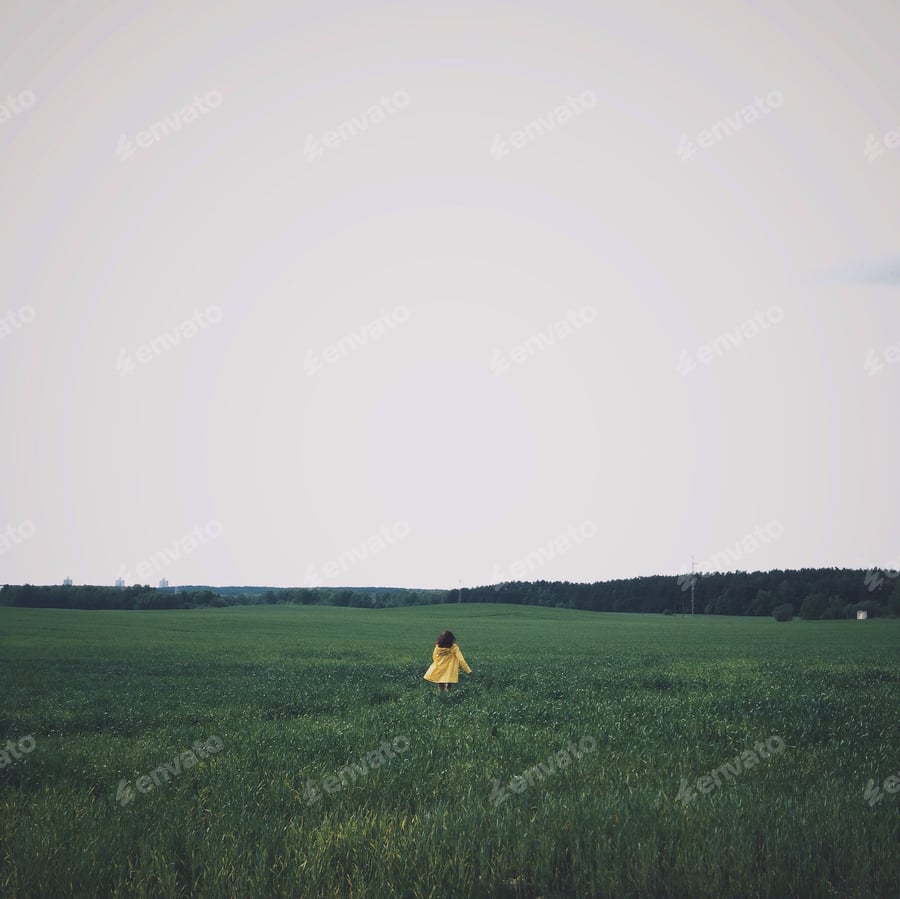
The film mainly follows the mother as she searches for answers through sweeping, wide, cinematic shots that capture the film’s background. Many of these shots show her taking up a small portion of the frame against a backdrop of the village and surrounding landscape, conveying her isolation.
In these shots, we can see the muted color palette of browns, greens, blues, and red, which reflect the movie’s dreary atmosphere and tone. This masterful use of color is a recurring theme in Bong Joon-ho movies.
Snowpiercer (2013): Unsettling trains and snowy wastelands


In the dystopian sci-fi thriller Snowpiercer, we follow the impoverished residents of a luxury train designed to keep running during Earth’s second Ice Age as they fight to take over the engine room for a better life.
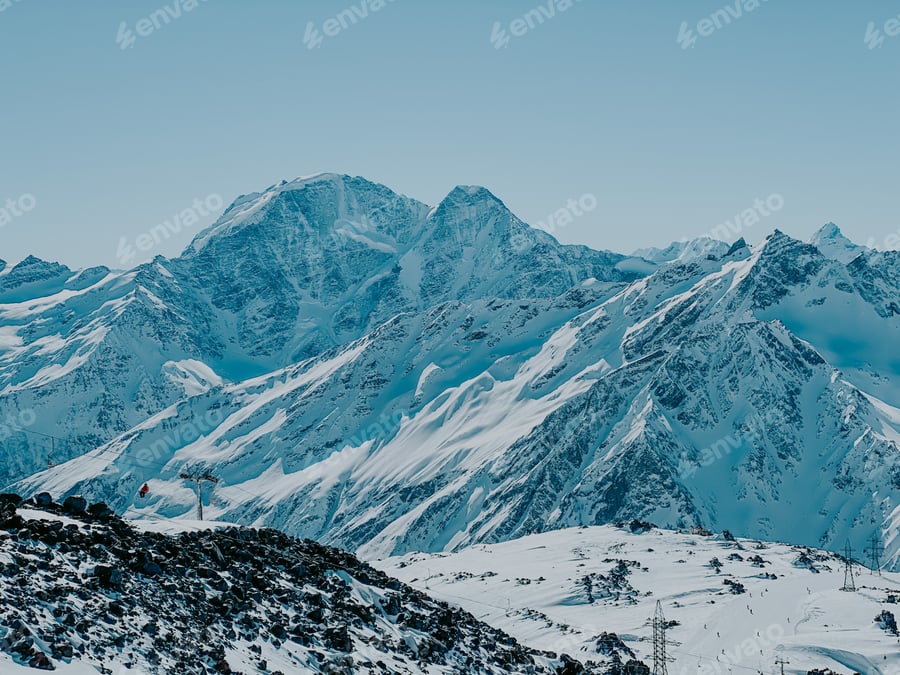
A strong theme in all Bong Joon-ho movies, the unequal social class commentary is clear through the comparison between the dull, desaturated brown and gray hues of the lower-class quarters and clothing and the vibrant tones of the upper-class train cars and costumes. These colors stand out starkly against the frigid backdrop of pure white snow.
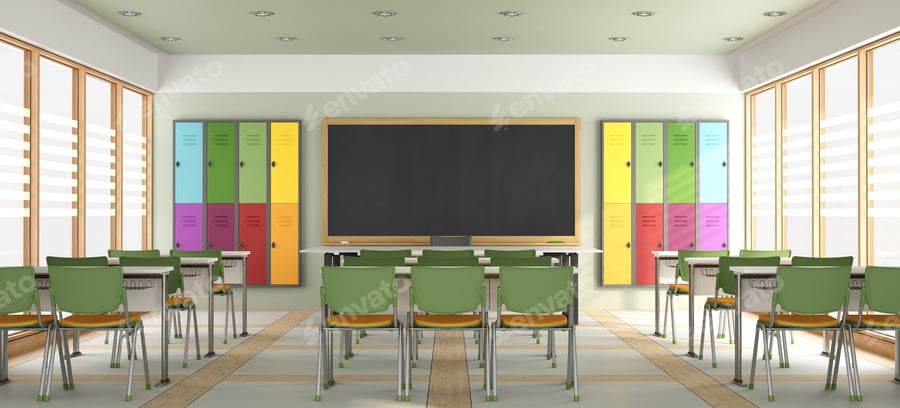
The use of any bright color, in general, tells a foreboding story and acts as a harbinger of death, especially in the elementary school children’s rainbow-colored train car. The sinister sense color brings throughout the film seems to hint at unnerving false peace. After a movie full of pitting dark hues against vivid colors, the pure white in the last scenes as survivors of the train re-enter the world creates a feeling of calm and new beginnings.
Symmetrical, straight-on shots within the train amplify the tension and claustrophobia that builds until the ending sequence of events. The repeated style of these shots contributes to the breathtaking ending by solidifying the comparison between the tightly spaced train and the expansive world outside.


Okja (2017): Super pigs and corporate greed

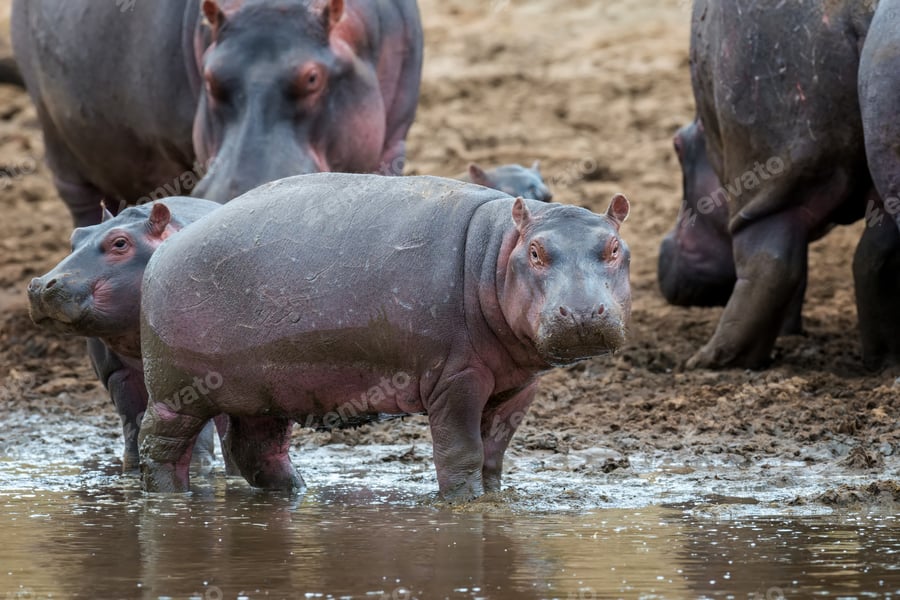
A story of corporate greed vs. the love between a girl and her pig, Okja tells the tale of a young girl, Mija, who raises a genetically modified “super pig,” Okja. When Okja wins the title of best super pig from the Mirando Corporation, her “parent company,” she is captured and brought to New York, and Mija goes on an adventure to rescue her.
The film explores themes of animal rights, environmentalism, and extreme capitalism, and its pointed color palette clarifies these themes.
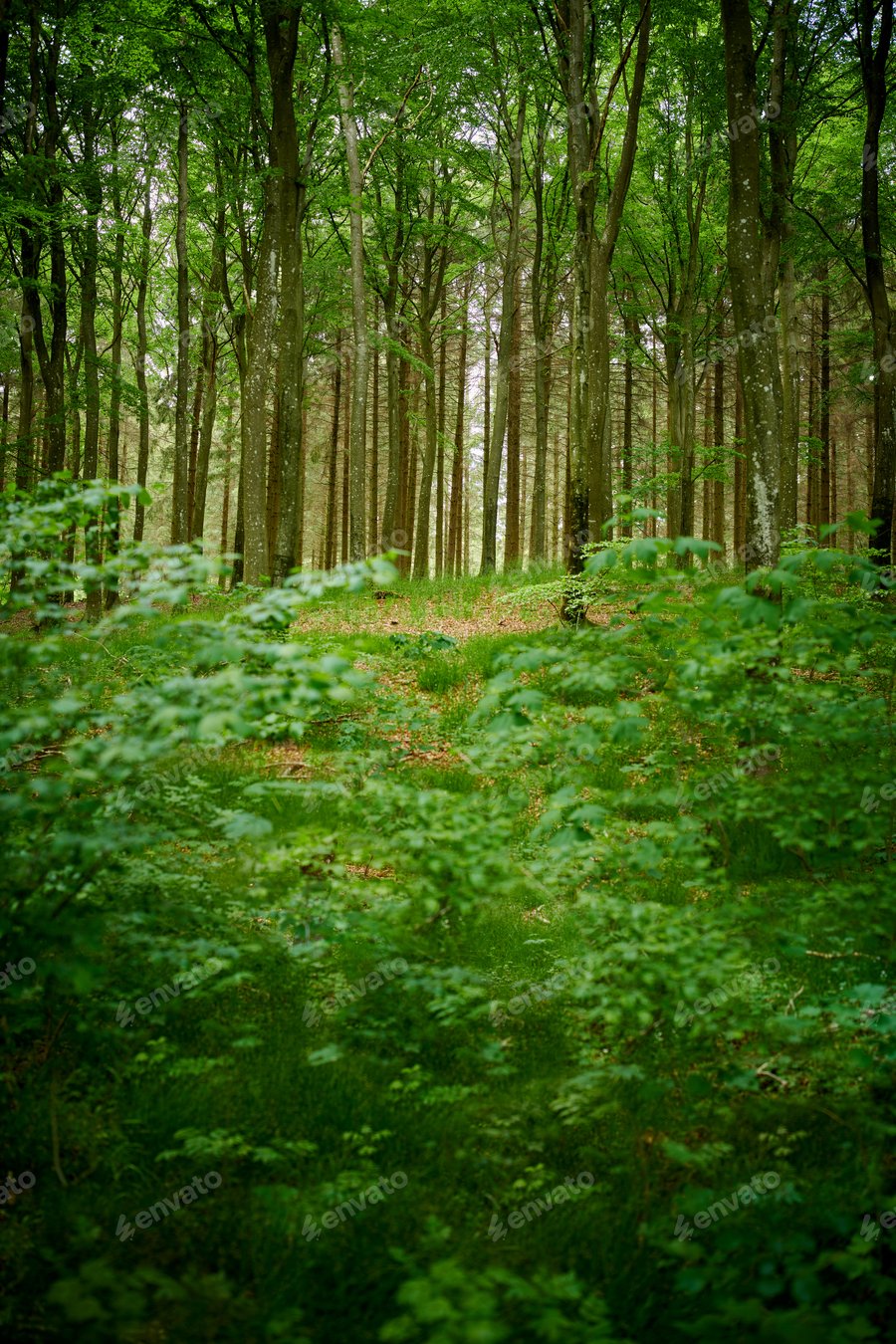
The peaceful setting of the South Korean village where Okja was raised appears in deep brown, springy green, and clear blue earth tones, reflecting the tranquil atmosphere. The corporate world is represented in gray and white tones mixed with pastel pinks and greens, creating an unsettling, sickly tone where playful children’s marketing hides the brutal corporate reality of super pig slaughter.
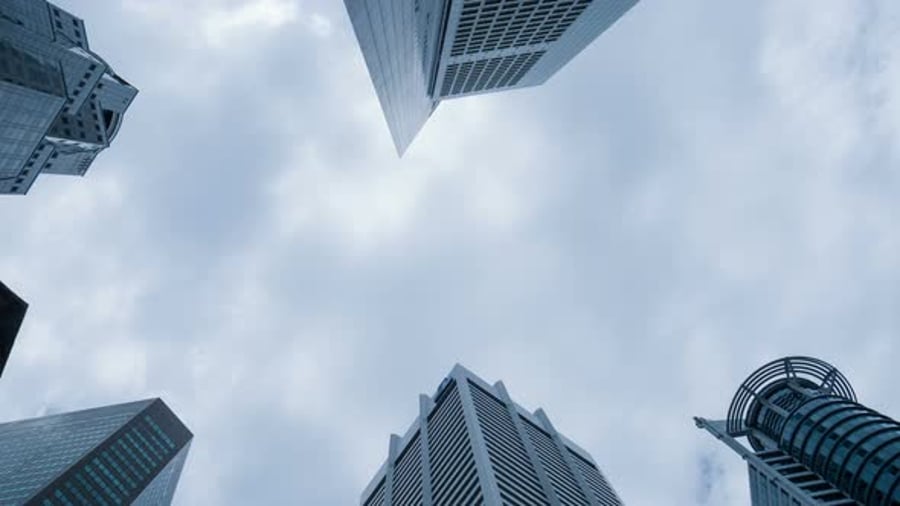
Red is used in the film to heighten tense scenes, as a color accent associated with Mija, and to show shocking amounts of blood. Elements in the movie include serene forests, corporate buildings, and gigantic pigs.

Parasite (2019): Social divide

Love this color palette? Try adding a seafoam green shade to the mix.
Bong Joon-ho’s most famous film, Parasite, became the first South Korean film to receive Oscar recognition when it won four Academy Awards, including Best Picture, Best Director, Best Original Screenplay, and Best International Feature Film. Not only that, but it was also the first Korean film to win the Palme d’Or at the Cannes Film Festival.
Bong Joon-ho expertly moves from one genre to the next in this movie, known for its dark plot twists, turns, and flips. In this film, categorized as a black comedy thriller, the genre fluidly transitions between comedy, drama, and thriller, correlating with drastic tonal shifts.
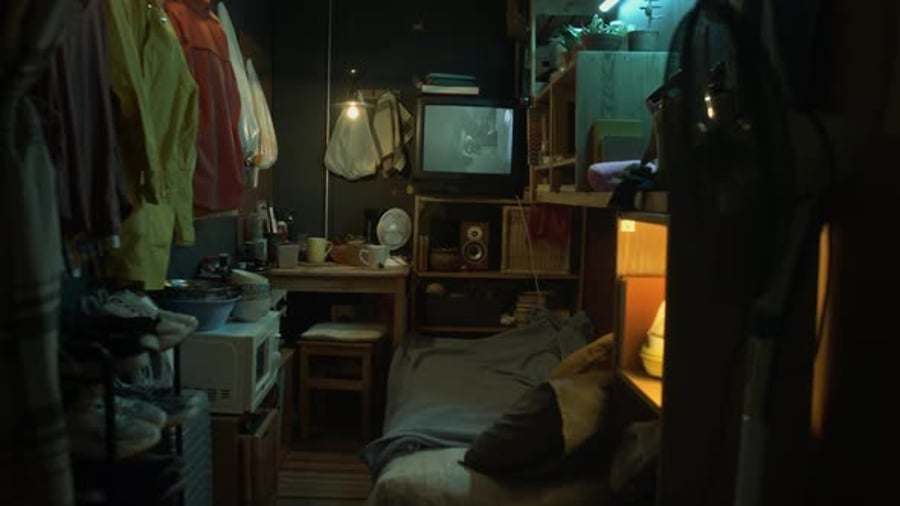
As the story unfolds, the destitute, basement-living Kim family works for the wealthy, mansion-living Park family until a few unfortunate, gory incidents separate the relationship.
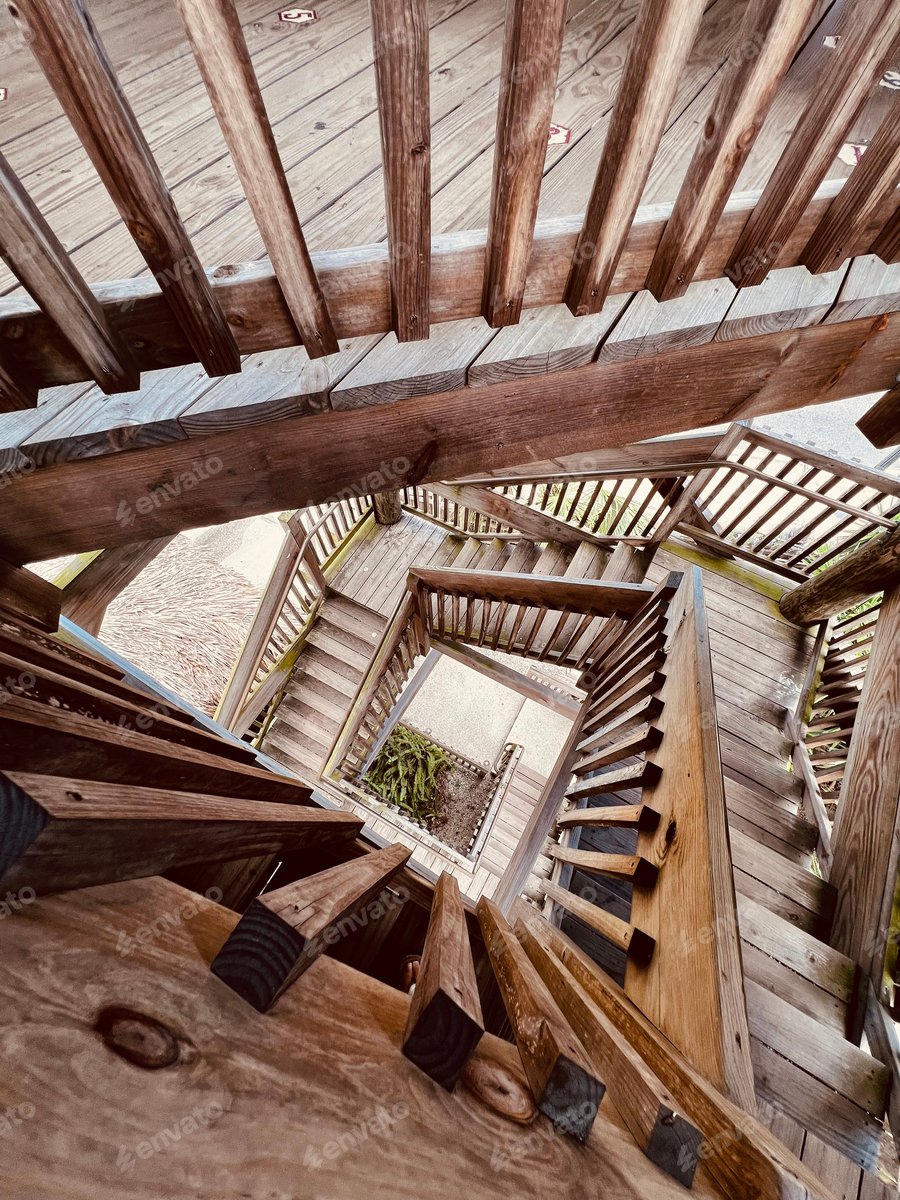
Unequal social class is again at the forefront of the film, depicted by comparing the tiny, cluttered Kim basement to the expansive, minimalistic Park mansion. Stair shots work to further the social divide between the two families. Bong Joon-ho pairs his ensemble staging and extreme wide shots for fuller, more detailed storytelling and to accentuate the differences in social class.
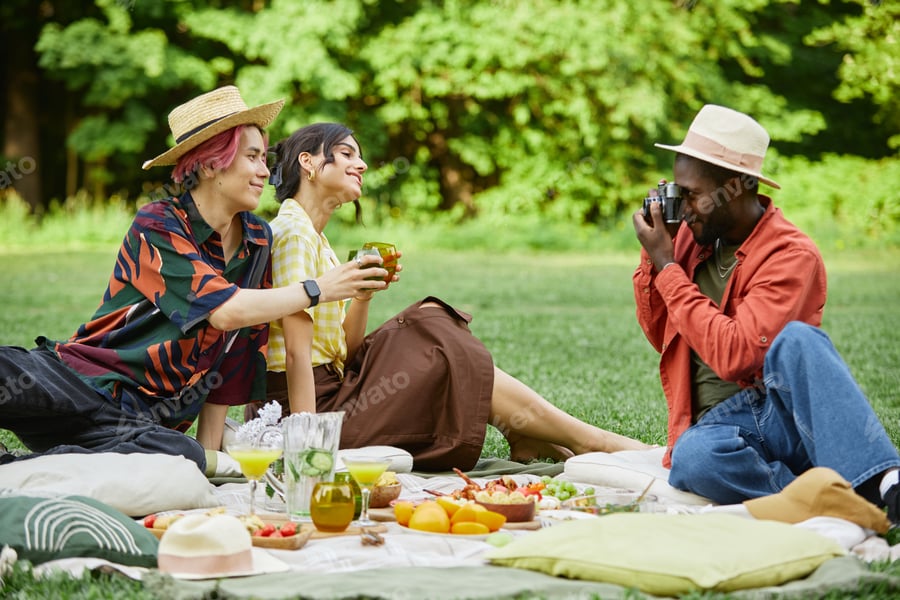
Elements in Parasite include staircases, picnics, and cluttered basements.
Mickey 17 (2025): Born to die yet again


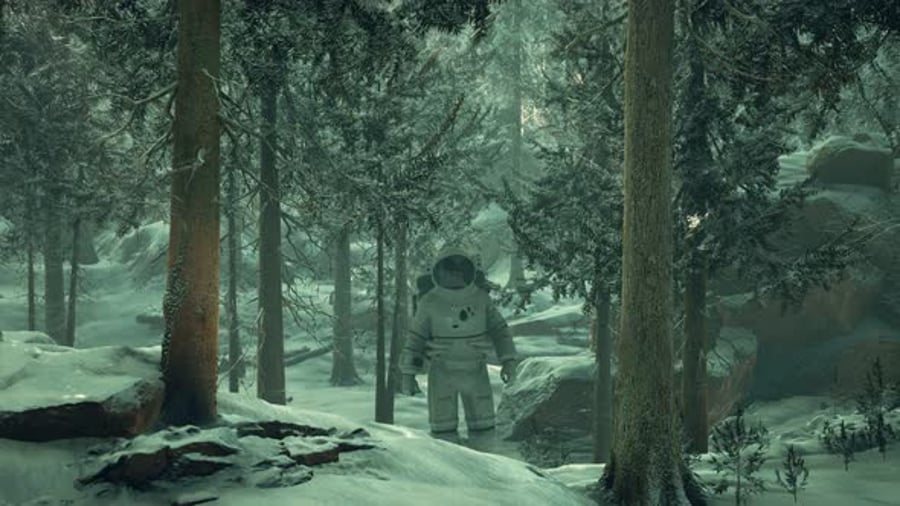
The awaited sci-fi black comedy film Mickey 17 arrived on March 7 of this year. Starring Robert Pattinson as Mickey, the movie follows him as he joins a space colony as an “Expendable” or throwaway employee who gets cloned every time he dies so that his work can continue. A blend of satire, science fiction, and grim humor, Mickey 17 highlights symmetry in shots, characters, settings, and social class, and it emphasizes particularly when the symmetry is broken.
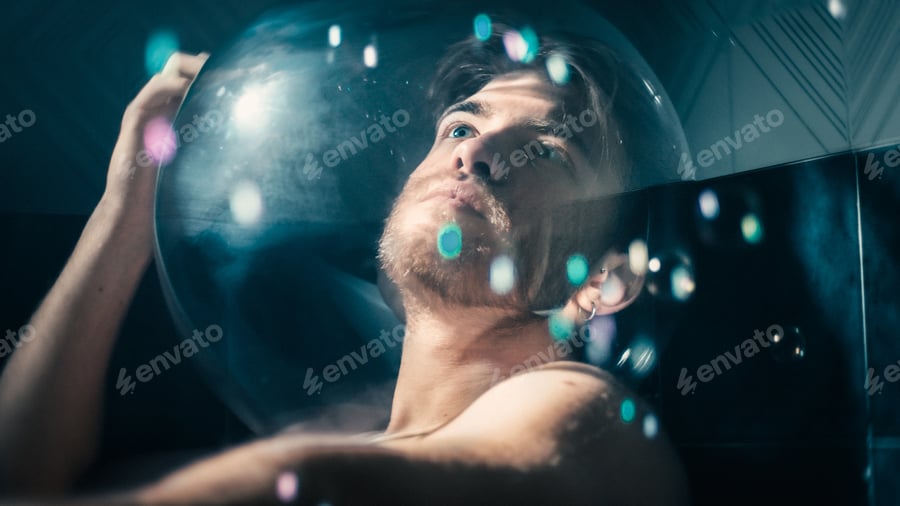
Get the Bong Joon-ho look with Envato!
After releasing hits such as Okja, Parasite, and Mickey 17, Bong Joon-ho‘s directorial style has become a household favorite. Blend genres, accentuate divides, and emulate his general style using elements from his films with Envato. Check out our Bong Joon-ho collection of photos, graphics, and more.


