
Discover how you can add key elements from dark fantasy and the 80s aesthetic to your creative projects.


Shadows lengthen, synth-wave pulses, and a sense of eerie nostalgia hangs in the air. Thanks to a recent AI edit sweeping TikTok, Dark Fantasy is officially back, and it’s bringing the 80s with it. From cult classic films like The Dark Crystal to the pop culture phenomenon of Stranger Things, we’re exploring the resurgence of this captivating genre and its fascination with all things the 80s. Think grainy VHS textures, otherworldly color combos, and nostalgic heartstring tugs accompanied by the music of Dorian Concept’s “Hide.” With Stranger Things season 5 coming soon, expect this trend to continue!
To celebrate this 80s revival in popular culture, let’s look at the Stranger Things aesthetic and some 80s cult classics that embody the dark fantasy vibe. Discover how to add key elements of this aesthetic to your creative projects!
Stranger Things

Stranger Things Season 5 is set to release in 2025, and we can expect another cinematic masterpiece of 80s nostalgia, visual grunge, and enigmatic scenescapes, with a setting that’s a perfect blend of American small-town vibes and spooky alien-esque horror. A modern dark fantasy classic, Stranger Things follows themes such as character stereotypes with a twist, monsters straight out of horror films, and finding hope in the face of ultimate darkness.
Revisiting a color-picked Technicolor palette from the 1980s interspersed with neon red and blue, the series firmly establishes itself as an 80s classic with modern complexity.
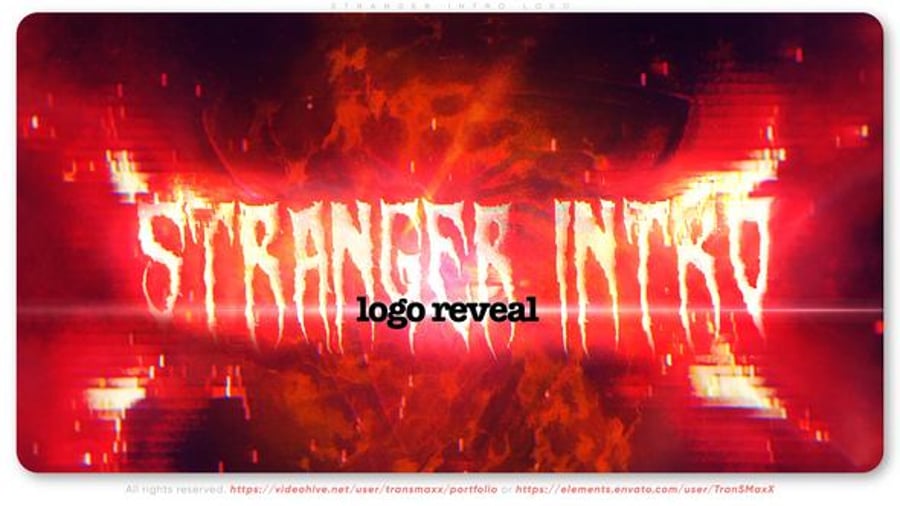
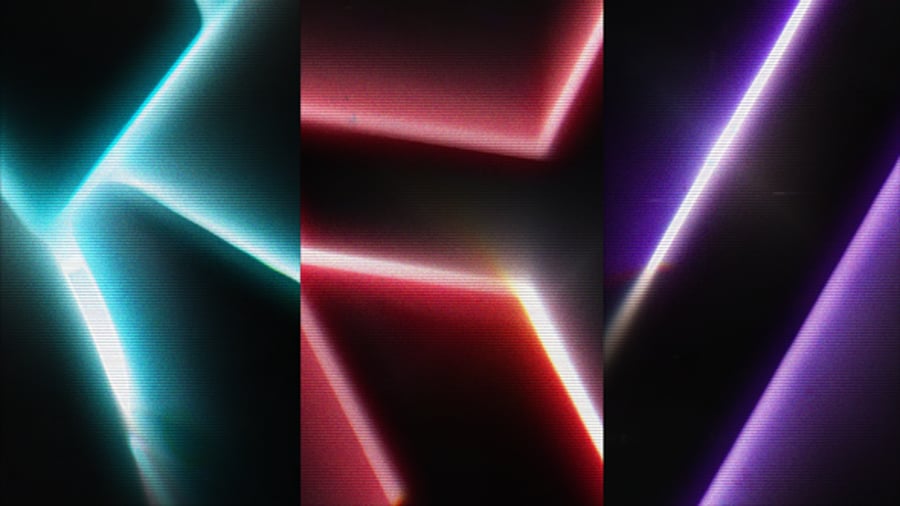
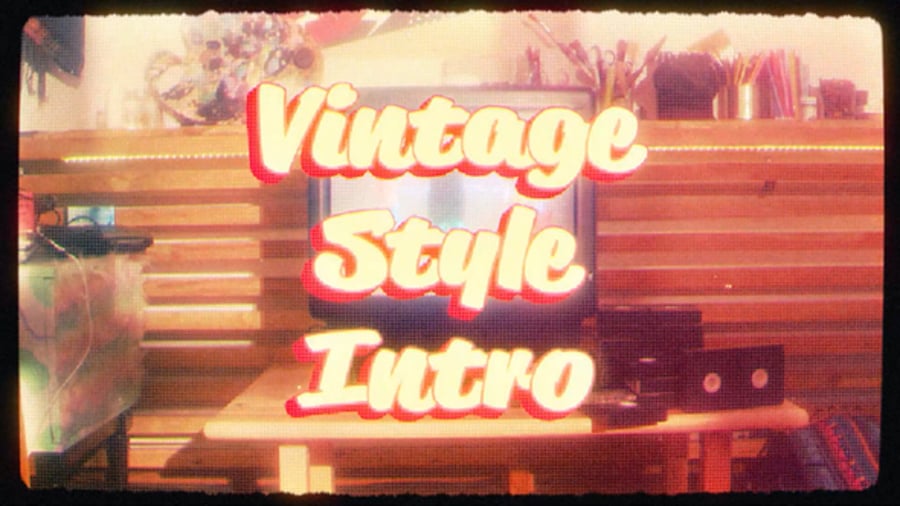
Each season develops the characters and explores different fashion styles, with season 3 as the epitome of 80s bright-patterned clothes. The home decor, especially the school, all screams 80s cult classics. Classic blue and black, fog-ridden enigmatic landscapes appear throughout the series, further solidifying it as an 80s cult classic.
The monsters in Stranger Things get increasingly gory with that wet, shiny sheen characteristic of dark fantasy. Almost every pivotal moment in the series is some sort of battle between good and evil: Demogorgon vs. human. In each, red and blue dominate the scene, creating a divide between the two.
The Lost Boys (1987)

The Lost Boys (1987) is set in the 1970s in Santa Cruz, then the murder capital of the world, awash in serial killers. Two brothers, Michael and Sam, move with their mother to Santa Cruz. Older brother Michael unwittingly joins a group of vampires while pursuing a girl. Sam joins a group of comic book nerds who claim to be vampire hunters. Sam and his group must save Michael from the vampires.
The movie has a 70s to 80s feel, with thematic colors, patterns, and a constant grainy texture. Dating the film further, the vampires look like rockstars clad in painted leather, with shiny bling, animal print, long hair, and dark eyeliner.
Adding to the horror aspect, textures such as the classic greasy liquid shine, melted candles, and mostly realistic props, such as vampire long-nailed toes, blend the California coastal town with vampiric themes.
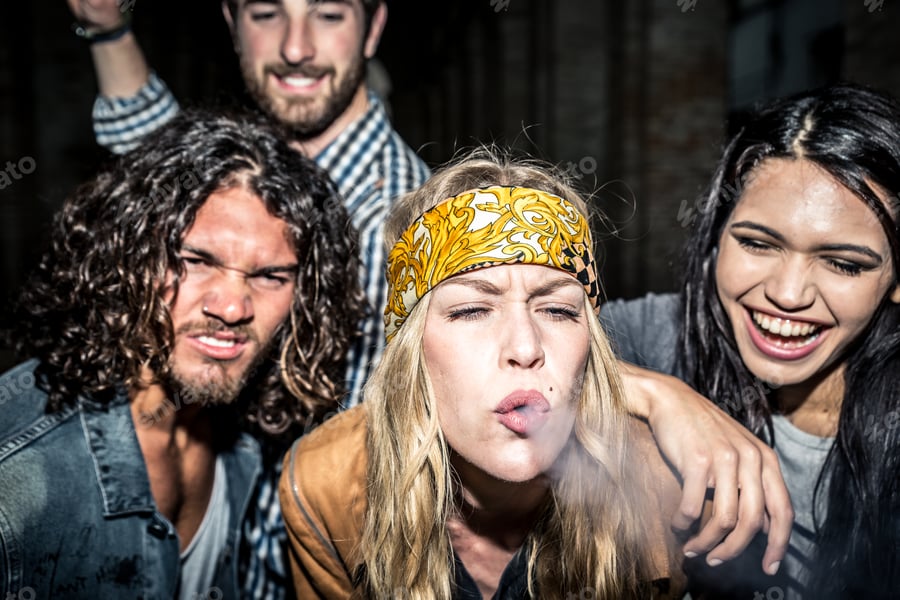
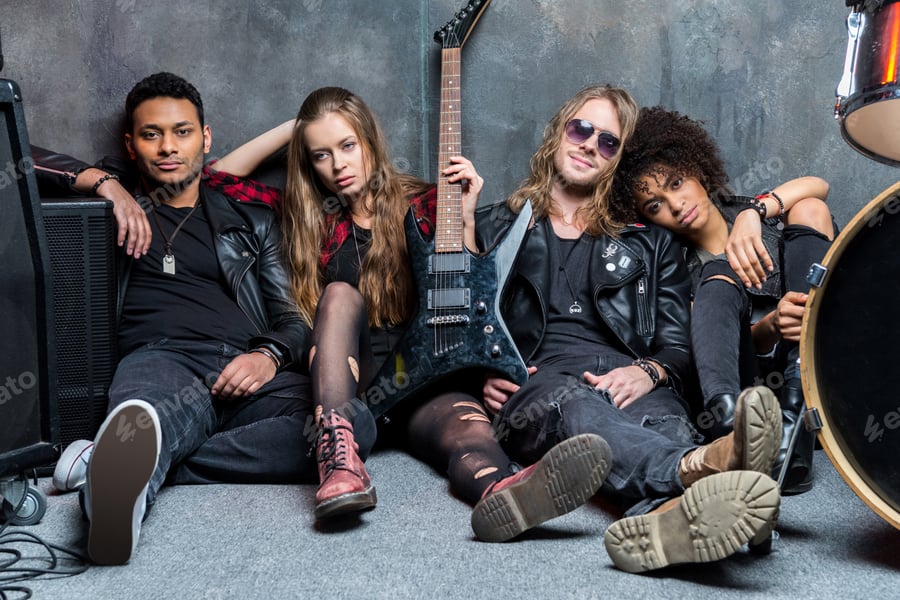
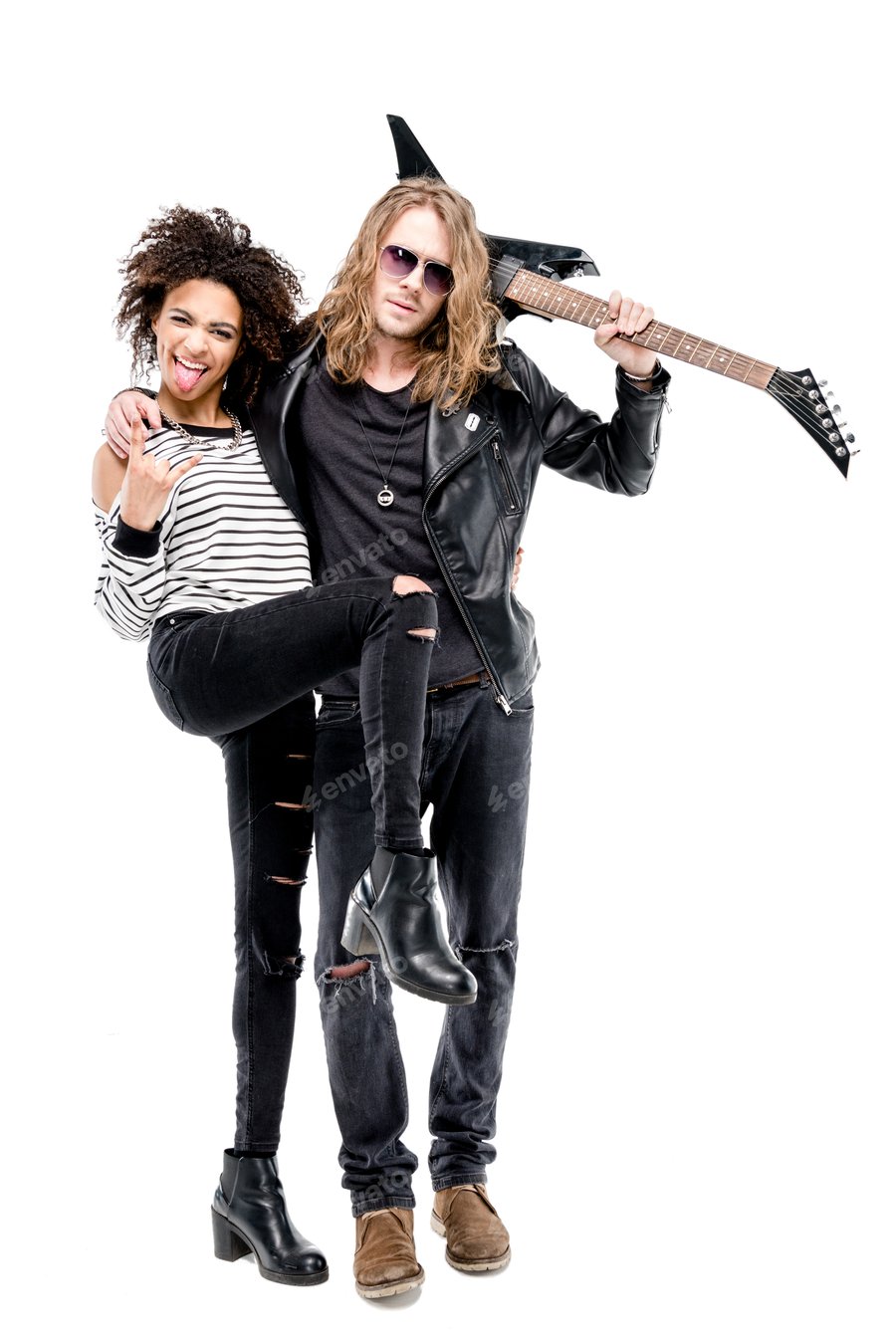
In a common trope of dark fantasy films, the realization that vampires are in their midst comes from another storytelling form—in this case, comics. Referring back to an older form of the story proves it a true legend and plays on the nostalgic needs of dark fantasy.
Gremlins (1984)

A brutal combo of American Christmastide and vicious, fluffy toys with a vendetta, Gremlins taps into the stereotypical scene and character tropes that make classic movies so memorable. Characters such as the straight-arrow lead, the sweet yet feisty girlfriend, and the fierce mother all have story-pushing roles to play.
As for the Gremlins, feed them after midnight, and their adorable, furry visages turn into terrifying, murderous monsters. In the first and second movies, the Gremlins get up to fatal shenanigans, causing terror wherever they go.
The bright colors of Christmas seen throughout the first half of the movie are shattered as the Gremlins make their appearance, becoming darker and duller. Gremlin cocoons, which they use to transform from sweet Mogwai into Gremlins after eating food past midnight, share a disturbing resemblance to the eggs in Alien (1979), complete with the sickly green glowing hue.
Gremlins mixes typical Christmas themes and horror tropes to create a cult classic.
Labyrinth (1986)

Starring glam rock Jareth (played by David Bowie) and responsibility-averse Sarah (played by Jennifer Connelly), Labyrinth (1986) is a coming-of-age dark fantasy complete with Jim Henson puppets, MC Escher-inspired sets, and fever-dream scenes. The puppet creatures in the film represent Sarah’s imaginative mind, connecting to the part of herself that does not want to grow up.
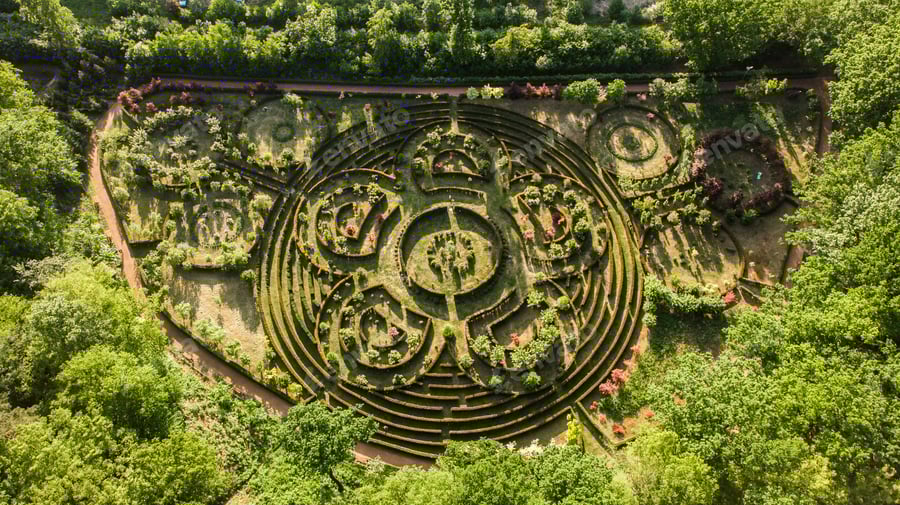
From goblins to fairies to Ludo to eye lichen, Sarah must judge each character based on who they are instead of what they look like. MC Escher’s illustrations merge well with Labyrinth and the dark fantasy genre, playing into the confusing mazes within the film that reflect decision-making in reality.
Jareth and Sarah’s looks are New Romantic crossed with 80s rock, with buckles and straps galore, iridescent sheens, and big, big hair. This supports the coming-of-age genre and dark fantasy, as Sarah realizes that “the man with the power” really has no power over her.
The Dark Crystal (1982)

In an alien world outside time, Jim Henson’s The Dark Crystal (1982) masters puppetry, set design, and world-building. Focusing mainly on intricate visuals over character expressions and story, The Dark Crystal paints a grim landscape littered with once-populated ruins, kind creatures who’ve given up hope, and a cruel, ruling race of reptilian-avian creatures.
Dark fantasy to a tee, themes of hope lost, persecution, and death are brought to the forefront in this children’s movie.
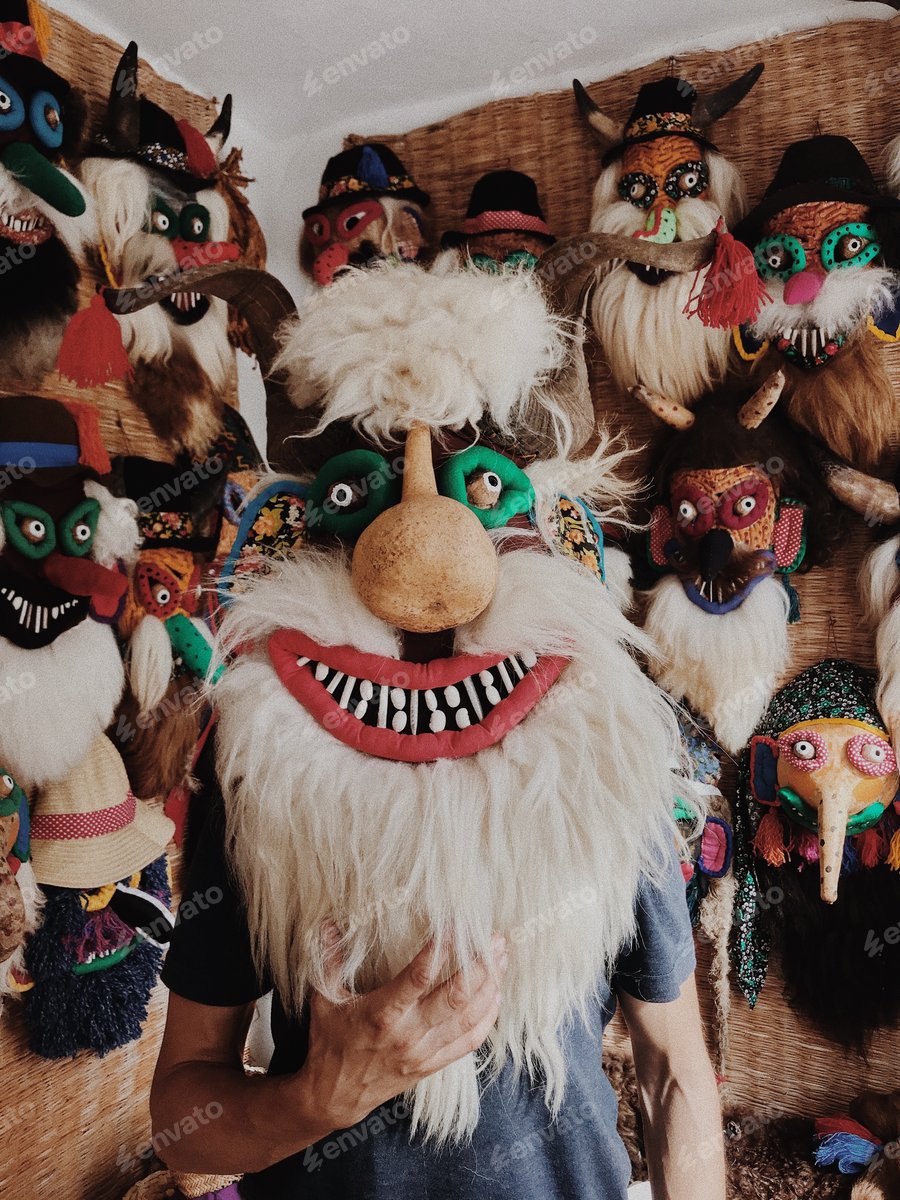
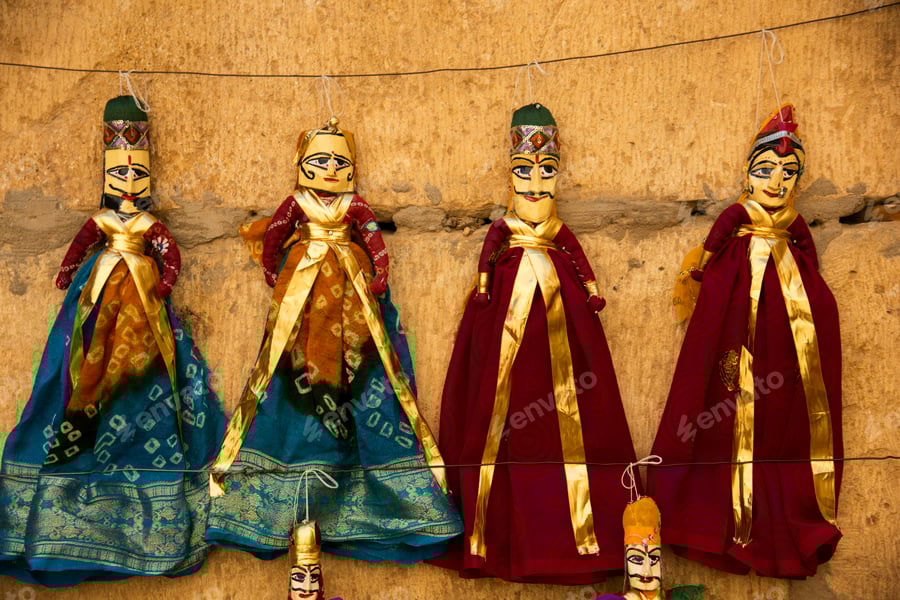
Each puppet was a work of art, bringing new horror to viewers as they rewatched the film and realized these puppets were larger than life. Veiny and mottled skin, tattered and layered clothing, and ancient-looking patterns are all important parts of the film’s style. While this is supposedly a children’s film, adult themes of genocide, nudity, and violence occur regularly.
Princess Bride (1987)

The Princess Bride (1987) begins with a grandfather reading a story to his grandson. The scene is set in the kids’ maximalist bedroom, which is covered with toys and Chicago paraphernalia. As the grandfather reads, we are transported a second time to a medieval fairytale land where the story takes place.
With themes of charismatic good vs. all-powerful evil, hopeful love vs. violent death, and stark realism vs. dreamy fantasy, The Princess Bride falls into genres of romantic comedy, fairytale parody, and medieval adventure with streaks of dark fantasy.
The medieval aesthetic lends itself well to dark fantasy with its built-in dreamy technicolor color palette, surrealistic set, and landscape shots with miniature aspects. Dark fantasy themes shine in visually darker settings such as The Fire Swamp and The Pit of Despair, leaning into uneasy horror characteristics such as serpentine vines, a candlelit dungeon, and gothic machinery.
Through the movie’s parody lens, the violence usually found in dark fantasy is almost comical: a bloody attack by an R.O.U.S. (Rodent of Unusual Size), a ridiculous murder by the life-sucking machine dubbed “The Machine”, and a not-quite sword fight narrowly avoided by a graphic description of pain worse than death.
The film’s costume design plays a major role in building out the world within the book. From farm clothes to high-fashion period pieces, the costumes contribute to the vague medieval-Renaissance storybook feel.
Play off the 80s nostalgic cult classics and make your projects stronger!
With Stranger Things season 5 coming out in 2025, dark fantasy isn’t going away soon. Explore key elements from Envato that will boost and solidify your projects.
Want more 80s inspiration? Check out 20 Royalty-Free 80s Music Tracks and Get The Look: Recreate the 80s Aesthetic and Retro Design from ‘Stranger Things.’


