
Explore the unique charm of vintage film styles and their creative revival in today’s digital age. What exactly makes a film style “vintage,” and why are so many creators drawn to these looks today?


Vintage film styles have made a spectacular comeback in recent years, pulling in everyone from professional filmmakers to social media influencers. Whether it’s the grainy texture of an old Super 8 film or the vibrant hues of mid-century Technicolor, these nostalgic aesthetics are popping up everywhere in modern videography. But what exactly makes a film style “vintage,” and why are so many creators drawn to these looks today?

Let’s explore the world of vintage film styles to discover their unique charm and how they’re being creatively revived in today’s digital age.
Understanding vintage film styles
Firstly, what are vintage film styles?
We’re talking about the visual and aesthetic characteristics that have been common in films for decades. These styles range from the flickering, sepia-toned images of early 20th-century silent films to the bold, saturated colors of 1950s Technicolor productions. Each era of film history brought distinct visual traits influenced by the technology of the time, cultural trends, and artistic experimentation. Today, these styles are cherished for their nostalgic value and unique ability to evoke the look and feel of a bygone era.
Key characteristics of vintage film styles
Vintage film styles are defined by unique visual characteristics that give them distinct, nostalgic appeal. Here’s a closer look at some key factors that make a film style “vintage.”

Film grain:
- Definition: Film grain refers to the visible particles or specks that appear on film, especially in older formats like 8mm or 16mm. This texture results from the photochemical process used to develop traditional film stock.
- Aesthetic impact: The film grain adds depth and texture to the image, making it feel more organic and authentic. It can evoke a sense of nostalgia, reminding viewers of home movies or classic cinema.

Muted, earthy tones:
- Definition: These are subdued color schemes, often featuring browns, greens, and grays, reminiscent of early 20th-century films and photographs.
- Aesthetic impact: Muted tones can give a film a more somber, reflective mood, often used to evoke a sense of history or nostalgia.

Vibrant, saturated hues:
- Definition: Bright, bold colors are highly saturated and often exaggerated beyond natural levels, characteristic of Technicolor films from the mid-20th century.
- Aesthetic impact: Saturated hues can create a sense of fantasy, joy, and exuberance, making the visuals pop and feel larger than life.

4:3 Aspect ratio:
- Definition: This almost square aspect ratio was standard in early cinema and television before widescreen formats became the norm.
- Aesthetic impact: The 4:3 ratio creates a more intimate and focused frame, often used to evoke the look of early television broadcasts or vintage films.

Soft focus:
- Definition: Soft focus is a technique in which the image is deliberately blurred or diffused to create a dreamy, romantic effect. This effect was often achieved using special lenses or filters.
- Aesthetic impact: Soft focus can give a film a timeless, ethereal quality, often associated with romantic scenes or flashbacks. It smooths out imperfections and adds a sense of warmth and intimacy.

High contrast lighting:
- Definition: High contrast lighting involves creating substantial differences between light and shadow, often using techniques like chiaroscuro (the interplay of light and dark) to enhance drama and visual interest.
- Aesthetic impact: This technique adds a dramatic, often moody, atmosphere to a scene, emphasizing the emotional or psychological tension within the narrative. It’s especially effective in black-and-white films where color cannot convey mood.

Analog distortion:
- Definition: Analog distortion refers to visual artifacts that appear in old video formats, such as VHS, including glitches, tracking lines, and color shifts.
- Aesthetic impact: These imperfections are often associated with the DIY, gritty feel of 70s and 80s home videos, adding a sense of rawness and authenticity to the footage.
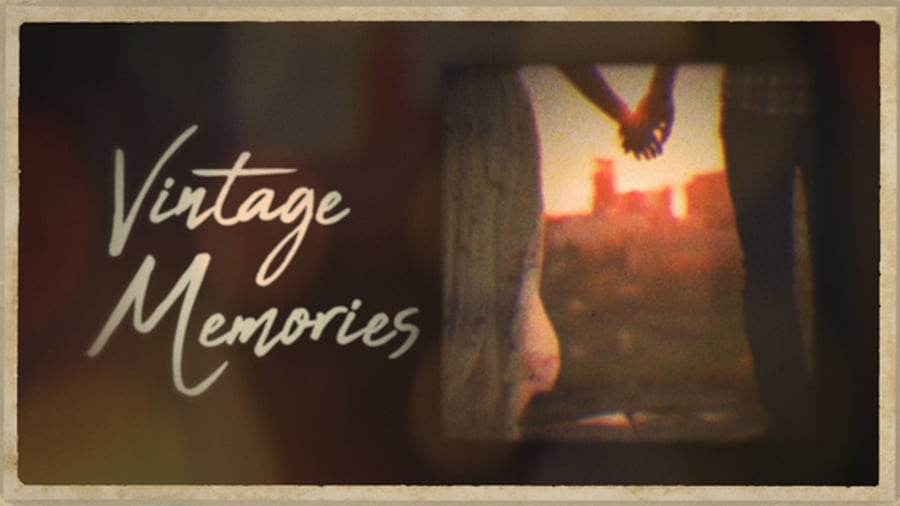
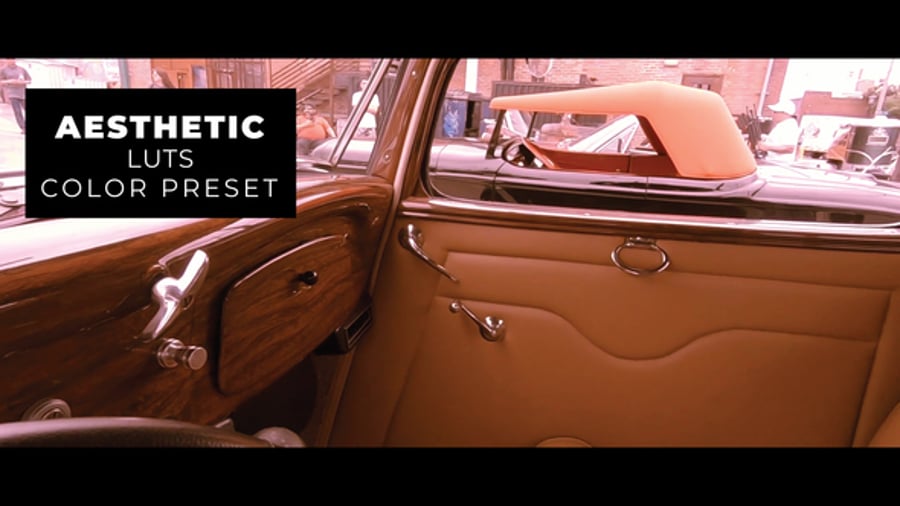
Vintage video templates on Envato
Examples from historical cinema
Looking at classic examples from cinema history is important to truly appreciate vintage film styles. These films showcase the distinct visual aesthetics of their time and highlight how filmmakers used these styles to enhance storytelling and play on specific emotions. Here’s a closer look at some iconic examples:
1920s Silent films

Nosferatu (1922) is a great example of this era of filmmaking. This German Expressionist horror film is renowned for its eerie, shadowy visuals, contributing to its unsettling atmosphere. The use of distorted shapes, stark contrasts, and unnerving angles makes it a prime example of early cinematic artistry. Many horror films today draw inspiration from Nosferatu’s use of shadows and its ability to convey terror without sound or color.
- Exaggerated shadows: Silent films often utilize dramatic lighting to create stark contrasts between light and dark, a technique we discussed a moment ago known as chiaroscuro. This added intensity and emotion to scenes, especially horror and suspense.
- Black-and-white imagery: Without color, filmmakers relied on the interplay of light and shadow to convey mood and depth. The lack of sound also meant visuals carried much of the narrative weight.
1930s-1940s Film noir

The Maltese Falcon (1941) is a quintessential example of the Film Noir genre, with its shadowy cinematography, morally complex characters, and urban settings. The chiaroscuro lighting enhances the tension and adds to the film’s dark, suspenseful tone. Contemporary directors often reference Film Noir’s style in modern thrillers and crime dramas, using similar lighting techniques to create mood and tension.
- High contrast lighting: Film Noir is famous for its low-key lighting, which creates deep shadows and highlights the stark contrast between light and dark, often symbolizing moral ambiguity.
- Urban settings and gritty realism: These films often depicted crime-ridden cities with a focus on the darker side of human nature.
- Monochrome palette: Although some were later colorized, most classic Film Noir movies were shot in black and white, contributing to their brooding, mysterious atmosphere.
1950s Technicolor films

Singin’ in the Rain (1952) is celebrated for its dazzling use of color, especially in its elaborate dance sequences. The vibrant Technicolor visuals perfectly complement the film’s joyful, exuberant tone. Many modern filmmakers continue to draw inspiration from Technicolor films, using bright, saturated colors to evoke nostalgia or create a whimsical, larger-than-life atmosphere.
- Vibrant, saturated colors: Technicolor brought a new level of vibrancy to the screen, with films boasting bold, almost hyper-realistic color palettes. This was a dramatic shift from the black-and-white films of previous decades.
- Lush, dreamlike visuals: Technicolor often gives films a surreal, almost magical quality, particularly in musicals and fantasy genres.
- Widescreen formats: The 1950s also saw the rise of widescreen formats, which offered a more immersive viewing experience and allowed for more elaborate compositions.
1960s-1970s New Hollywood

Directed by Martin Scorsese, Taxi Driver (1976) is a seminal film of the New Hollywood era. Its gritty, desaturated visuals and use of natural lighting contribute to its intense, unsettling portrayal of urban decay and alienation. Taxi Driver’s visual style has influenced countless filmmakers, particularly in portraying antiheroes and using urban settings to reflect a character’s inner turmoil.
- Gritty realism: Films from this era often depicted life’s raw, unfiltered realities, emphasizing flawed characters and complex moral dilemmas.
- Desaturated colors: Unlike the vibrant Technicolor of the previous decade, New Hollywood films often employed muted, naturalistic color palettes to reflect the more serious, grounded themes.
1970s-1980s VHS and analog aesthetics

Halloween (1978) is a classic horror film by John Carpenter. Its grainy footage and eerie atmosphere make it a perfect example of the analog aesthetic. The film’s low-budget, DIY feel adds to its tension and sense of realism.
- VHS grain and distortion: The rise of home video in the late 70s and 80s introduced a new aesthetic characterized by grainy footage, tracking lines, and analog distortion. This lo-fi look has become iconic, representing the DIY spirit of the time.
- Analog technology: Analog cameras and video recorders contributed to a distinct visual style with lower resolution and color fidelity than today’s digital standards.
3. Vintage film styles in modern videography
The resurgence of vintage film aesthetics has become increasingly prominent in modern cinema. Many filmmakers draw inspiration from past eras to create visually stunning and emotionally resonant works. These films pay homage to yesteryear’s cinematic styles and reinterpret them innovatively that appeal to contemporary audiences.
Here are some standout examples of how vintage styles are being used in modern films:
La La Land (2016)

La La Land is a modern musical that draws heavily on the vibrant, saturated color palettes of mid-20th-century Technicolor films. The film’s bold primary colors—particularly in its costumes, set design, and lighting—evokes the visual style of classic Hollywood musicals like Singin’ in the Rain (1952) and The Umbrellas of Cherbourg (1964). This creates a whimsical, dreamlike atmosphere that enhances the film’s romantic and nostalgic themes.
The Grand Budapest Hotel (2014)

Wes Anderson’s The Grand Budapest Hotel is a masterclass in blending vintage aesthetics with modern filmmaking techniques. The film uses a variety of aspect ratios to signify different periods, with the 4:3 ratio representing the 1930s. Anderson also employs a highly stylized color palette reminiscent of the Technicolor films of the mid-20th century, with each era in the film marked by its own distinct set of colors.
Stranger Things (2016-present)

Although technically a TV series, Stranger Things deserves mention for its strong influence on modern cinema and visual culture. The show is a love letter to 1980s pop culture, incorporating visual elements typical of the era, such as the grainy look of VHS tapes, neon color schemes, and practical effects reminiscent of 80s horror and sci-fi films. The show’s cinematography and set design are carefully crafted to replicate the look and feel of films from that decade, making viewers feel as if they’ve stepped back in time.
The Artist (2011)

The Artist is a modern silent film that pays homage to the early days of cinema, particularly the silent film era of the 1920s. Shot in black and white and using the 4:3 aspect ratio, the film embraces the visual language of silent movies, including title cards, exaggerated facial expressions, and minimal dialogue. Soft focus and high-contrast lighting further enhance the film’s authentic vintage feel.
Blade Runner 2049 (2017)

A sequel to the 1982 classic Blade Runner, Blade Runner 2049 continues the tradition of Film Noir aesthetics with a futuristic twist. The film’s use of high-contrast lighting, shadowy urban landscapes, and moody, atmospheric color palettes pays homage to the Noir genre while incorporating modern visual effects. The film combines the gritty, rain-soaked streets of classic Noir with the technological dystopia of the original Blade Runner.
Jojo Rabbit (2019)

Jojo Rabbit combines the vibrant colors of 1940s Technicolor films with a satirical, modern narrative. The film’s bright, saturated color palette contrasts sharply with its dark subject matter, a technique often used in vintage propaganda films. Waititi’s use of this vintage aesthetic helps to create a surreal, almost fairy-tale-like atmosphere that underscores the story’s absurdity.
Aa-aand cut!
Vintage film styles have proven to be more than just a nostalgic nod to the past—they are a powerful tool for modern filmmakers to evoke emotion, tell compelling stories, and connect with audiences on a deeper level. From the bold colors of Technicolor to the gritty realism of 1970s cinema, these timeless aesthetics continue to inspire and shape the visual language of contemporary films.
Bring a vintage aesthetic to your video projects today!
Head over to Envato to explore a vast selection of video templates to help you take your film projects to the next level. While you’re here, brush up on the top music trends and web design trends predictions for 2025, or terrify yourself with our pick of the best must-watch animated horror shorts!


