
The Y3K aesthetic, a blend of Y2K nostalgia, K-pop, and cybersigilism, is shaping the future of design.




The famous Y2K aesthetic has had a profound influence on futuristic aesthetics by blending retro-futurism with tech-forward styles. The 1990s and early 2000s were a period of rapid technological advances. The Y2K aesthetic brought an idealized version of the future, one we hadn’t seen before as the future was often depicted as dark. The Y2K revival from recent years continues to shape contemporary futuristic aesthetics like Y3K, K-pop, and cybersigilism.
First, let’s take a look at some of these intermingling aesthetics and see what makes them unique.
What is Y3K?
Y3K is the next evolution of Y2K, taking the aesthetic and projecting it to an even more futuristic context. It also blends Y2K nostalgia with a forward-looking vision of our relationship with the digital and natural world. While Y2K was rooted in nostalgic design and the cultural worries of the new digital age, Y3K centers more on the future, sustainability, and global connectivity.
What is cybersigilism?
Y2K has almost a direct influence on cybersigilism from the high-tech and chrome-like visuals. The recent Y2K revival created a good base for the rise of cybersigilism.
Cybersigilism is a style that combines mystical and occult symbolism with futuristic, digital aesthetics. This particular style uses contemporary digital tools and effects like glitching, holographic textures, and 3D modeling to create visuals that have a spiritual, ritualistic significance. This is the intersection of technology, spiritualism, and self-expression.
An example of this would be mixing runes or geometric patterns with glowing effects or distorting them digitally. The combination of ancient symbols and modern digital design addresses the rapidly changing cultural landscape in which we live.
Who is Mugler?
Around 2019, the Mugler fashion brand had a resurgence in popularity as several celebrities wore archival pieces. Thierry Mugler was a French fashion designer famous for creating theatrical and futuristic designs. Avant-garde is synonymous with this brand, which often blurred the lines of fashion, performance, and art. Mugler pushed the boundaries in fashion design with high-tech pieces, sculptural silhouettes, and a sci-fi aesthetic.
Mugler’s popularity reached its peak in the 1990s and 2000s when the Y2K movement was in full swing. In the Y3K context (the evolution of Y2K), given the Mugler resurgence in the early 2020s, the brand embraced the augmented reality trend and headed for more digital couture. Mugler, as a brand, showed us how fashion can become an immersive art form and showcased the possibilities of blending digital art, graphic design, and virtual worlds.
What is K-pop?
K-pop isn’t just a music genre but a real cultural phenomenon. In graphic design, K-pop has emerged as a powerful force influencing aesthetics and storytelling. K-pop has successfully blended global trends with cultural Korean elements. The result is a dynamic, immersive, and constantly changing visual style.
What do Y3K, cybersigilism, and K-pop have in common?
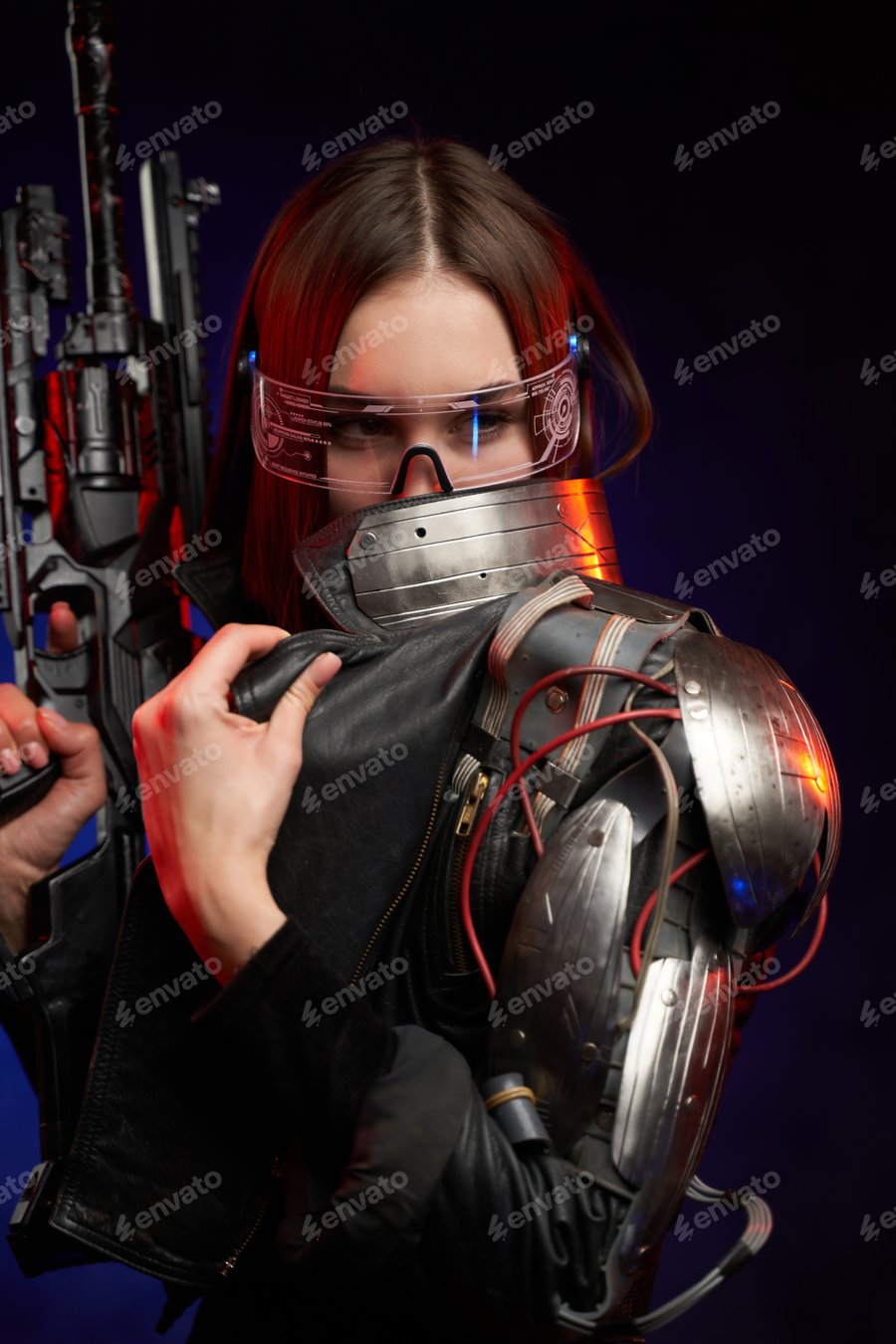
The shared trait between the styles mentioned before is that they all embrace experimental aesthetics that challenge traditional design. These styles also lean into a reinterpretation of reality and futurism.
- Mugler is known for its hypermodern and otherworldly fashion, including sci-fi inspired structures that boast a sleek, futuristic feel but are still wearable.
- Y3K emphasizes post-human narratives and focuses more on eco-friendly technology and holographic visuals.
- K-pop is in constant reinvention but often embraces cyberpunk-inspired aesthetics.
- Cybersigilism pushes the avant-garde with spiritualism, creating a unique blend of mysticism and technological chaos.
One important and common trait is drawing on multicultural influences, blending hybrid global design trends into an aesthetic that resonates with just about anyone in some way. Many styles are starting to consider storytelling for a broader and global audience.
Collectively, these styles are redefining design and art in the age of rapid technological evolution through bold and immersive visuals that challenge conventional ideas.
Avant-garde aesthetic and cyber images
The avant-garde and cyber image styles of Y3K, K-pop, cybersigilism, and Mugler push creative boundaries by mixing futuristic themes with experimental design.
All four of these movements challenge traditional norms and hypothetical narratives with surreal visuals by way of reimagining human identity in a hyper-technological age.
- Y3K uses cyber-organic designs to merge humanity with technology.
- Mugler creates high-fashion pieces that mimic exoskeleton forms with metallic details.
- Cybersigilism uses glitch effects with holographic textures to convey a more spiritual approach.
- K-pop incorporates digital overlays and glitch effects to emphasize a sci-fi narrative.
Symbolism
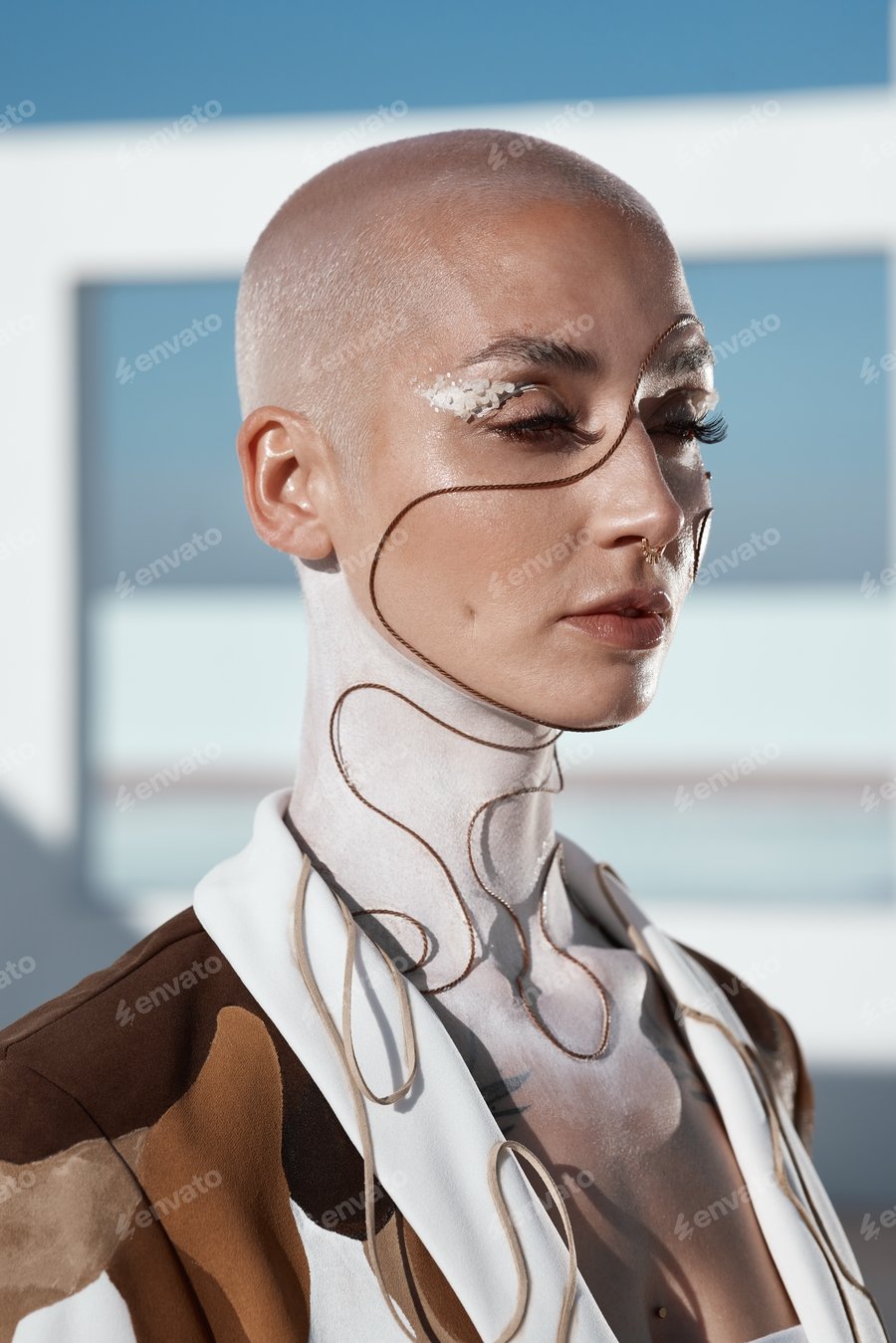
In order to create hybrid meaning, these styles make strong use of symbolism, blending ancient, spiritual, and futuristic elements to create a new visual language.
- Mugler tends to use empowerment and evolution as their main characteristic, so the sculptural forms and shapes used in their fashion tend to be theatrical.
- Y3K focuses more on eco-futurism, sustainability, and our role in a tech-driven world.
- Cybersigilism draws on occult symbols, mixing them with cyberpunk aesthetics and exploring the now popular metaphysical world.
- K-pop reinvents traditional Korean symbols in music videos and fashion, incorporating futuristic calligraphy and sigils.
Interdisciplinary fusion
These trends thrive on interdisciplinary approaches, and perhaps it’s what makes them easily digestible and accepted. Instead of staying in one medium, these trends tend to bridge the gap between different disciplines and art forms. From wearable products to ad campaigns, it’s clear that these styles are more than just trends—they’re a movement.
- While K-pop started as a high-energy music genre with stunning choreography, it quickly moved into VR concert experiences and became a cultural trend.
- Mugler, while focused on fashion, emphasizes performance art through theatrical runway shows and collaboration with pop icons.
- Cybersigilism merges graphic design with animation and interactive experiences.
- Y3K integrates futuristic fashion and immersive digital worlds, emphasizing innovation across different media.
A fine line between reality and fantasy
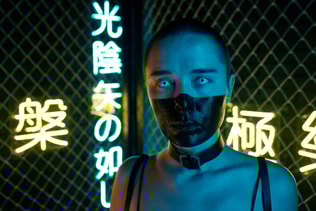
All four of these movements exist in the in-between spaces where the real world and fantasy overlap. These movements thrive on surreal experiences that push the boundaries of traditional design. This also allows audiences to interact with futuristic renderings that serve as storytelling tools and on a larger scale as cultural commentary.
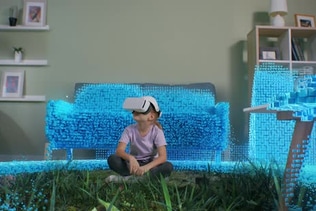
Advancements in tech like AR and VR have completely changed the landscape of how we explore futuristic environments.
- Y3K integrates technology seamlessly into the natural world, conveying utopic or dystopic worlds that have a high chance of becoming reality.
- K-pop groups like Blackpink use virtual avatars and CGI in their music videos, blurring the line between physical and virtual performers.
- Cybersigilism uses glitch art and technological distortion to act like a portal to other dimensions.
- Mugler combines wearable tech with futuristic fashion campaigns featuring models who look like cyborgs, blending human reality and fantasy.
Identity becomes a key element as we experience a seamless portrayal of characters, models, and performers with dual personas. AI counterparts, post-human beings, and cyborgs transcend physical limitations and portray a fragmented human identity where we question who we really are.
Hyper-stylized imagery
Since all the elements used in these styles are key to the symbolism and are mostly created from scratch, there’s a high level of precision and execution.
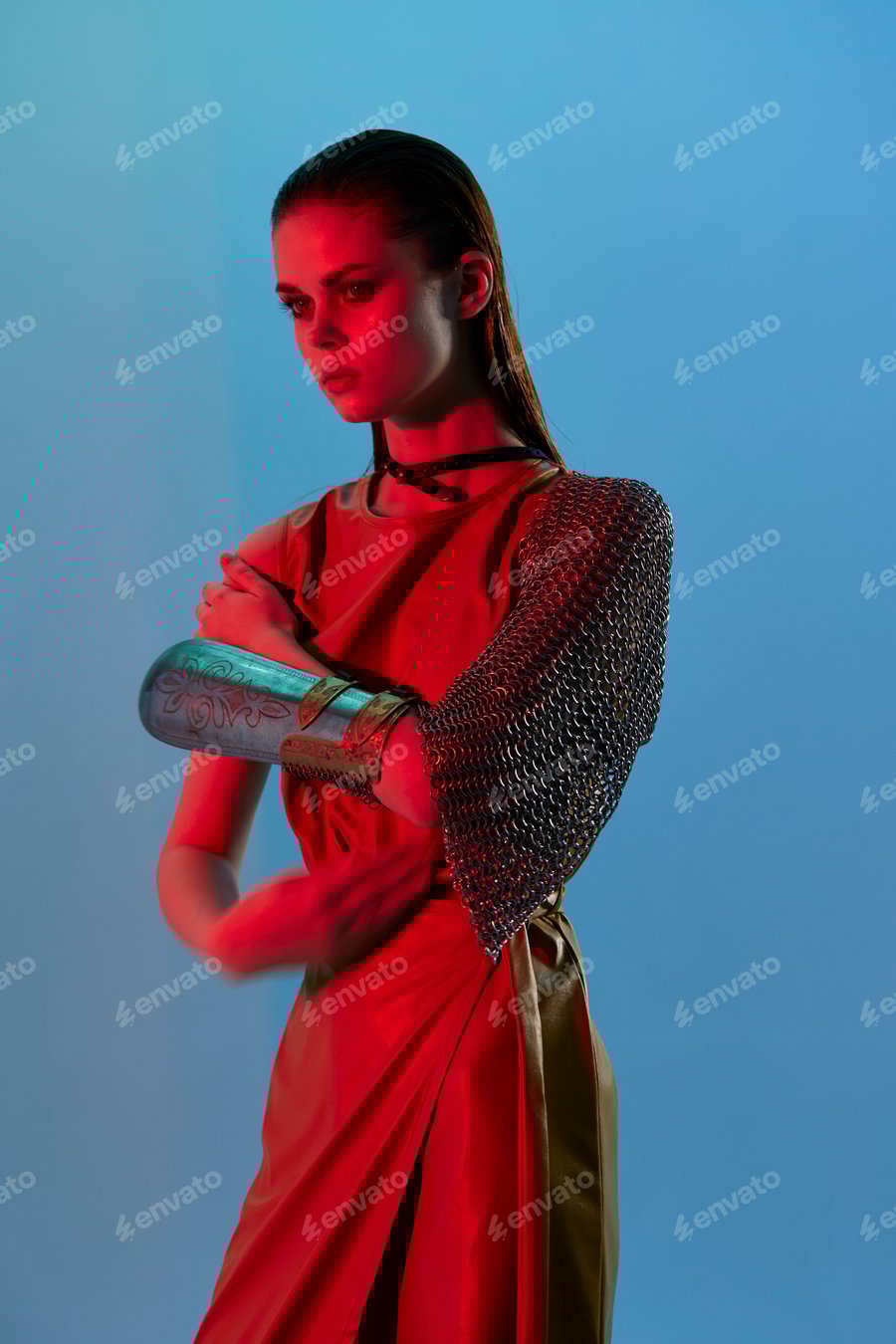
- Mugler is famous for their polished pieces that hug the body like armor. So the construction is crafted to resemble exoskeletons using materials like chrome, latex, and mesh.
- K-pop music videos and stage performances feature intricate set designs and costumes that shimmer under lights. The video editing is flawless and clean, with transitions that feel digital.
- Cybersigilism can be chaotic, but the intentional multi-layered designs are refined and captivating when mixed with glitch effects and textures.
- Y3K’s hypothetical future is rendered with sharp precision, ultra-refined textures, and almost-real lightning, making every environment look tangible.
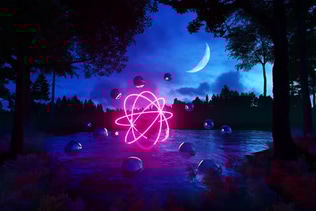
Let’s not forget about the maximalist color palettes. While Mugler favors black, metallics, and high-gloss textures, Y3K and cybersigilism tend to go for iridescent hues, soft glows, holographic effects, and neon gradients. K-pop goes the other way, using bright pinks and glowing purples to achieve an energetic and intense feeling. Sensory overload is another tool used by these futuristic styles: think juxtaposed textures, tactile overload, intentionally chaotic designs, and immersive lights.

Cultural fusion and diversity
Y3K, K-Pop, cybersigilism, and Mugler overlap in their embrace of cultural fusion and hybrid identities. Embracing global inspiration and blending current events into visually rich narratives is important for achieving an interconnectedness between the audience and the styles.
- K-pop integrates traditional Korean cultural elements with global pop and EDM influences. Groups like BTS and Blackpink incorporate multilingual lyrics and eclectic costumes that mix Korean heritage and global streetwear.
- Mugler’s style interplays Eastern spiritual motifs and Western style sci-fi.
- Cybersigilism draws on runes and sacred geometry, mystical traditions, and spiritualism.
- Y3K blends motifs from around the world with different calligraphy and pattern styles.
By blending cultural references, mystical themes, and technology, these styles arrive at a globalized language, creating a unique way to envision the future.
The future of futuristic aesthetics
We can’t help but wonder where these styles are going. Y2K was about a quarter of a century ago, and I’m sure back then we didn’t even think there would be a different future or a chance to reimagine it. Now, with multiple design styles stemming from Y2K, we can see that creativity has only expanded.
Fully immersive experiences aren’t far away now, and K-pop concerts could expand their use of AR and VR. Y3K and cybersigilism can explore other worlds through games in virtual spaces. The line between reality may blur even more. These movements will likely redefine how we interact with and experience art, design, and performance. By making other environments more real, these styles will reshape artistic and cultural expression in a hyper-digital age.


