
How can we take inspiration from the art of Georgia O'Keeffe for our creative projects today? Let's find out!


At a glance, Georgia O’Keeffe’s oversized flower paintings may seem like simple celebrations of nature—but look a little closer, and you’ll find a quiet rebellion blooming on every canvas. In a world where women artists were often sidelined or dismissed, O’Keeffe took something traditionally delicate and redefined it as powerful, bold, and unapologetically feminine.
Let’s explore Georgia O’Keeffe’s paintings and powerful art style. How can we channel the power of Georgia O’Keeffe’s art style in our design work today? We’ll look at some color palettes inspired by the paintings of the “Mother of American Modernism.” But first, just who is Georgia O’Keeffe?
Who is Georgia O’Keeffe?
Often called the “Mother of American Modernism,” Georgia O’Keeffe was a trailblazer in the modernist approach to art. She abstracted shapes and experimented with color and line. While in school and taking classes with innovative artist Arthur Wesley Dow, she tested out abstract compositions based on her feelings, with movements guided by natural forms.
These drawings became the basis for her future paintings and American Modernism as a whole. They also connected her to renowned gallery owner and photographer Alfred Stieglitz, who exhibited her drawings. This was the beginning of her career as a known artist. She soon moved to New York, developing a close relationship with Stieglitz and eventually marrying him.
Throughout her career, she was inspired by her surroundings—from the towering skyscrapers of New York to the vast, desert landscapes of New Mexico. Her focus changed depending on her location and on her ability to see. Later in life, her sight started to fail due to macular degeneration, but she continued her artistic practice by drawing from her imagination and favorite motifs.
Georgia O’Keeffe received numerous accolades, including honorary degrees, the Presidential Medal of Freedom, and induction into the National Women’s Hall of Fame.
Drawing XIII, 1915

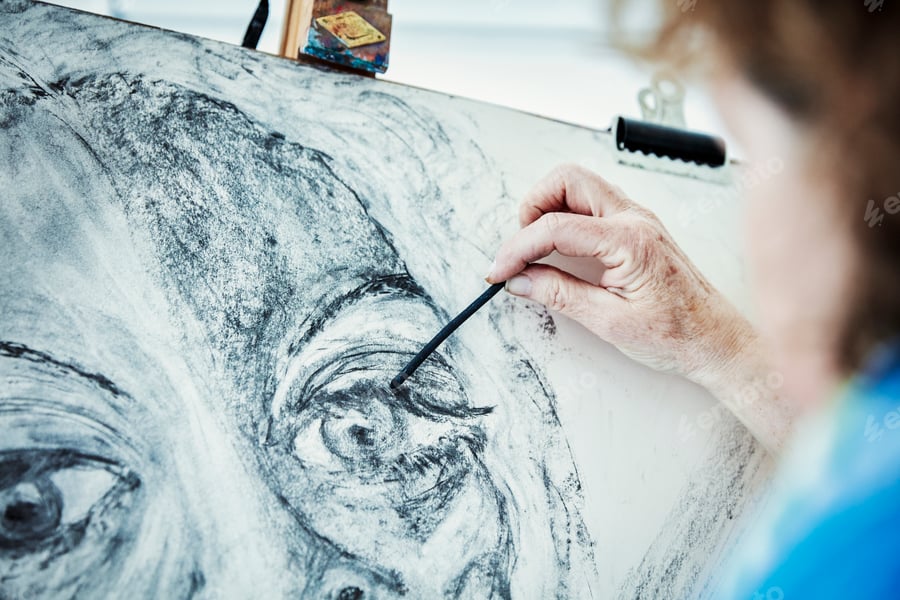
O’Keeffe’s charcoal sketches are works of simple beauty. With just a few strokes, she used charcoal to create abstract compositions directly guided by her subconscious feelings. These charcoal drawings showed her reverence for natural forms, with repeated shapes reminiscent of nature.
In Drawing XIII, the paper is divided into three sections. The right section’s flowing lines of different thicknesses evoke a rolling river or waving flame. The middle area’s rounded, shaded, and textured repeated forms could show steep hills or dense trees. The left section’s triangular, pointed line exaggerated by a secondary erased line suggests a craggy mountain range or sharp lightning.
With their powerful suggestion of landscape, Georgia O’Keeffe’s paintings developed the groundwork of both her strong style and American Modernist composition. The shapes and contrasting textures and Drawing XIII can be found in patterns from the American Modernist period, and you can still see its influence today in fabrics, interior design, and sleek product design.
Red Canna Series, 1926

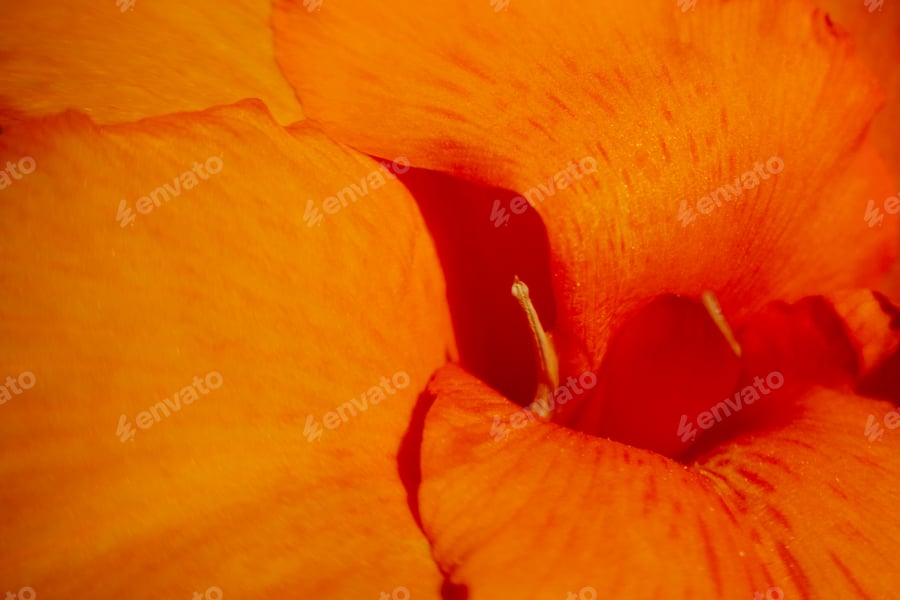
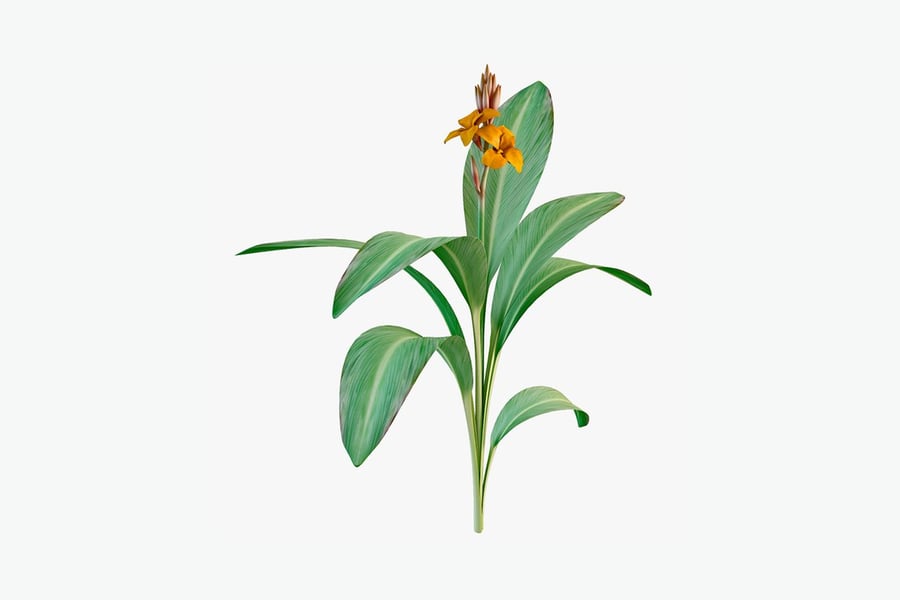
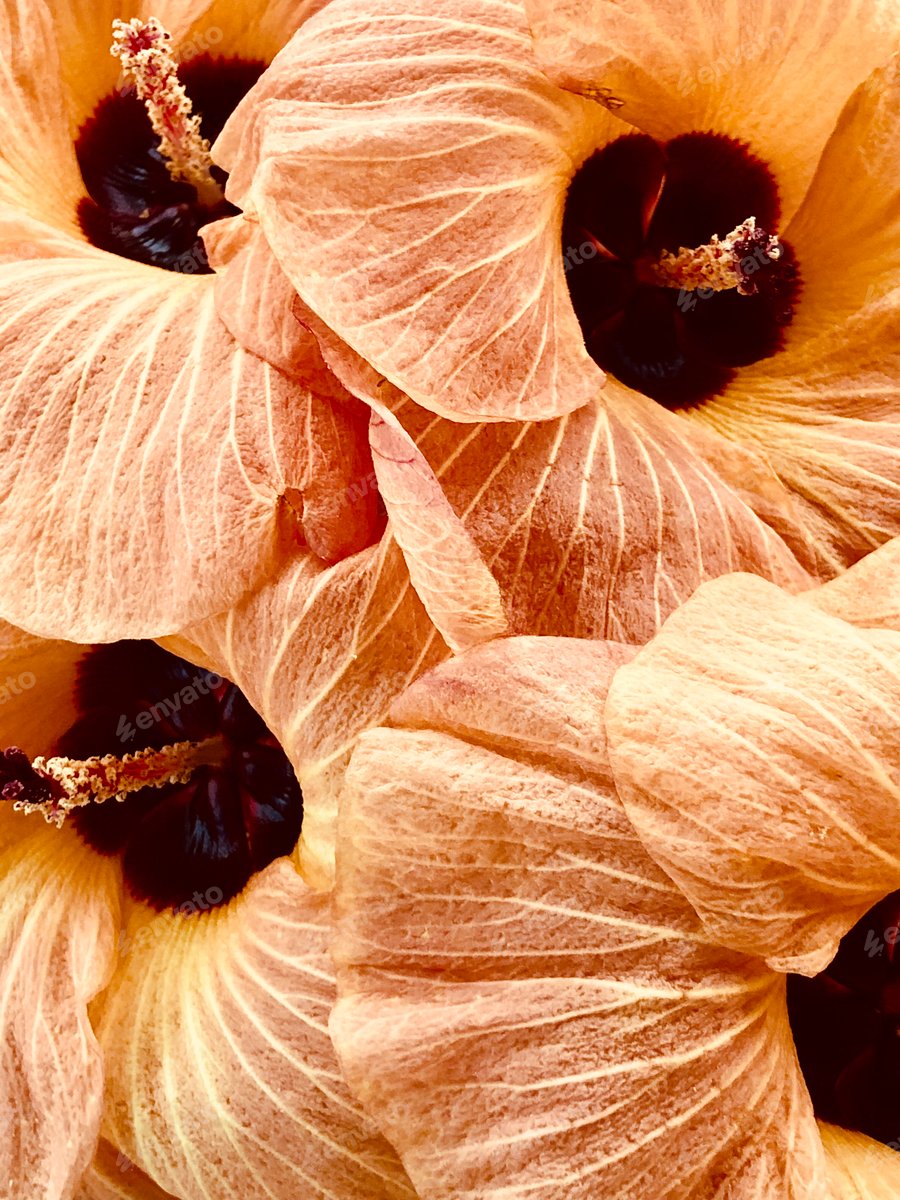
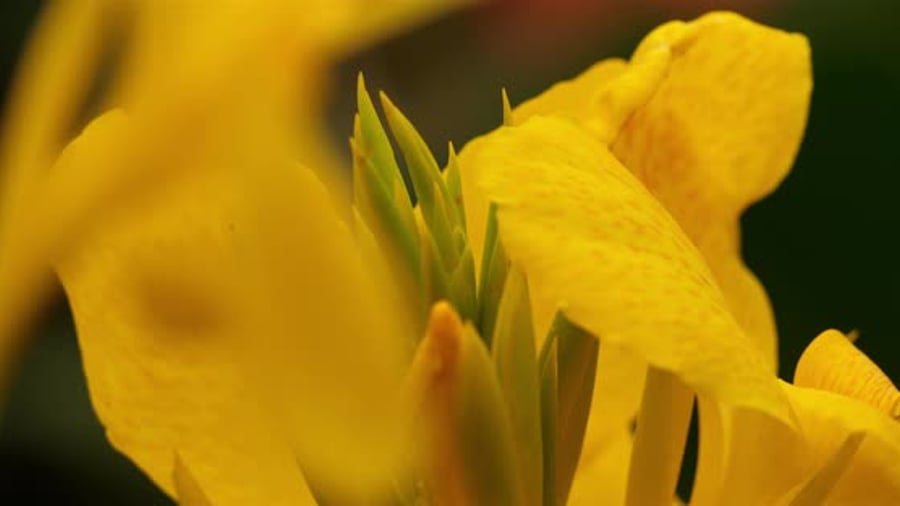
Despite the general view that Georgia O’Keeffe’s flowers are erotic and remind viewers of female genitalia, O’Keeffe said that her goal was simply to get people to stop and see the beauty of the natural world up close. In creating these close-up flower portraits, she made a new kind of still life in line with Modernist abstraction. In these blown-up views, color plays a significant role. She chose a warm, analogous palette to amplify the fiery, almost-explosive color in the real Canna Lilies.
Today, the Red Canna Lily paintings can be found in many collaborations, including tattoos by SAMMY, wallpaper by Hovia, and even a “Pink Canna” cocktail by El Viñedo Local in conjunction with the Georgia O’Keeffe “My New Yorks” exhibition at the High Museum of Art.
Radiator Building—Night, New York, 1927


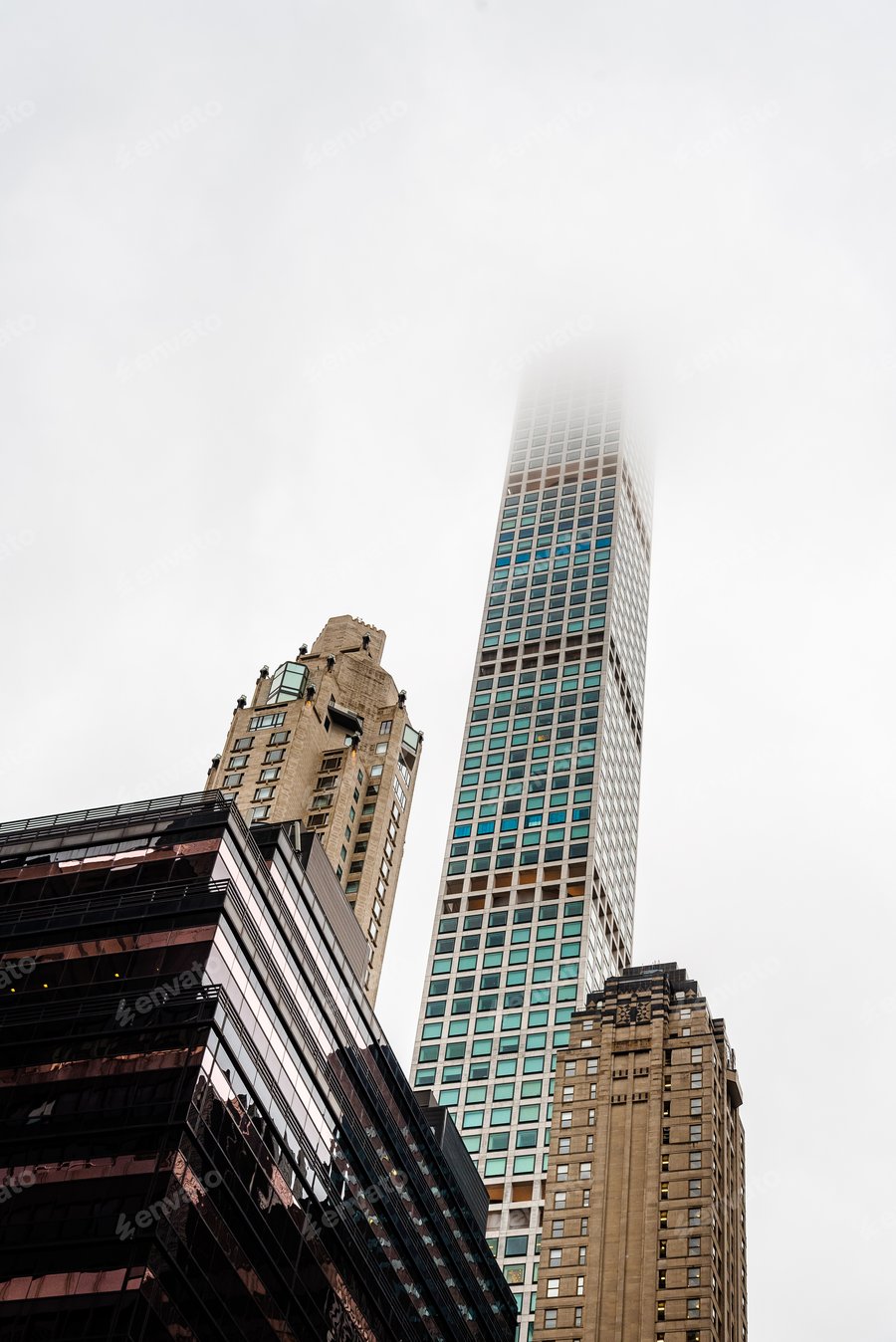
After O’Keeffe moved in with Stieglitz, her artistic growth was influenced by his photography, his artist circle of friends, and the artistic movement of Precisionism, a key part of American Modernism. Precisionism aims to simplify subjects to their most basic geometric shapes, details, and angles, while illuminating focus with stark streaks of light, usually to depict machinery or industrial buildings.
Our favorite of many New York City skyscraper paintings, Radiator Building—Night, New York, is a perfect example of how Georgia O’Keeffe mixed traditional Precisionist style with her own injection of emotions through dynamic composition and an atmospheric color palette.
“One can’t paint New York as it is, but rather as it is felt.”
Georgia O’Keeffe, 1926
O’Keeffe’s paintings of New York as a city in her own style lend themselves perfectly to puzzles by Moira Risen and prints by galleries including Tate Shop.
Jimson Weed, White Flower No. 1, 1932 & 1936

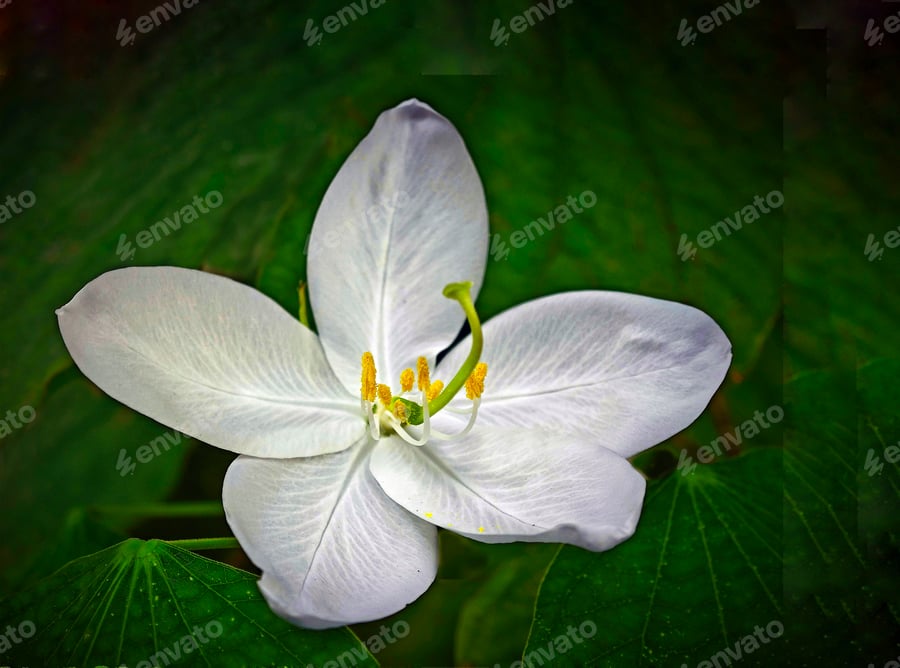
Jimson Weed, White Flower No. 1 sold for $44.4 million in 2014, making Georgia O’Keeffe the highest-selling woman in art history. The pinwheel flower painted with the bloom straight toward the viewer supports her desire to make sure people stop and take a moment to see the flower’s beauty and nature. The leaves in the background are abstractly rendered, mostly shapes and colors that hint at leaves. Behind the leaves is a background of a blue sky with clouds. These flowers were found on her patio in the New Mexican desert, which inspired this painting. The light, limited color palette lets you focus on the details and get happily lost in the beauty of the flower.
Later on, cosmetics executive Elizabeth Arden commissioned another Jimson Weed painting to hang in the new Arden Sports Salon in New York. The influence of Georgia O’Keeffe’s flowers can be seen in American Modernist style characteristics and in brand collaborations such as Pomegranate’s Boxed Cards, which are held up as icons of feminism.
O’Keeffe was not very involved in the feminist movement in her lifetime, but how she lived, and her flower paintings have made her a feminist icon. While she may not have meant for her flowers to come off as sensual, the general idea then and now says that they do come across that way.
The fact that O’Keeffe decided to continue painting these flowers almost her whole life has meant a lot to women looking for empowerment and to the artistic community, opening up discussions about sexuality in art. She was even included in Judy Chicago’s The Dinner Party as one of 39 women in history who blazed a trail for feminism. The Dinner Party was showcased at the Brooklyn Museum and consisted of 39 specialized place settings at a triangular dinner table.
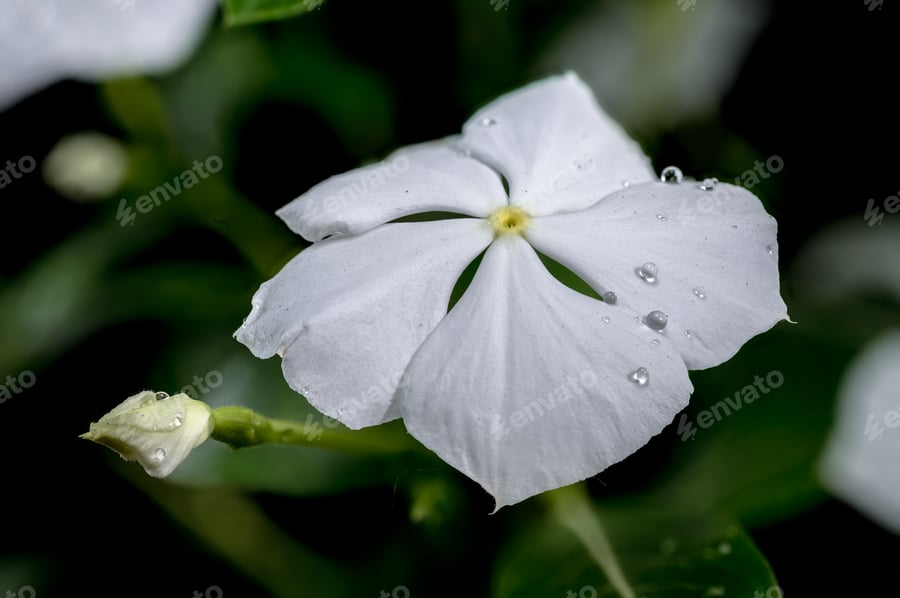
Summer Days, 1936


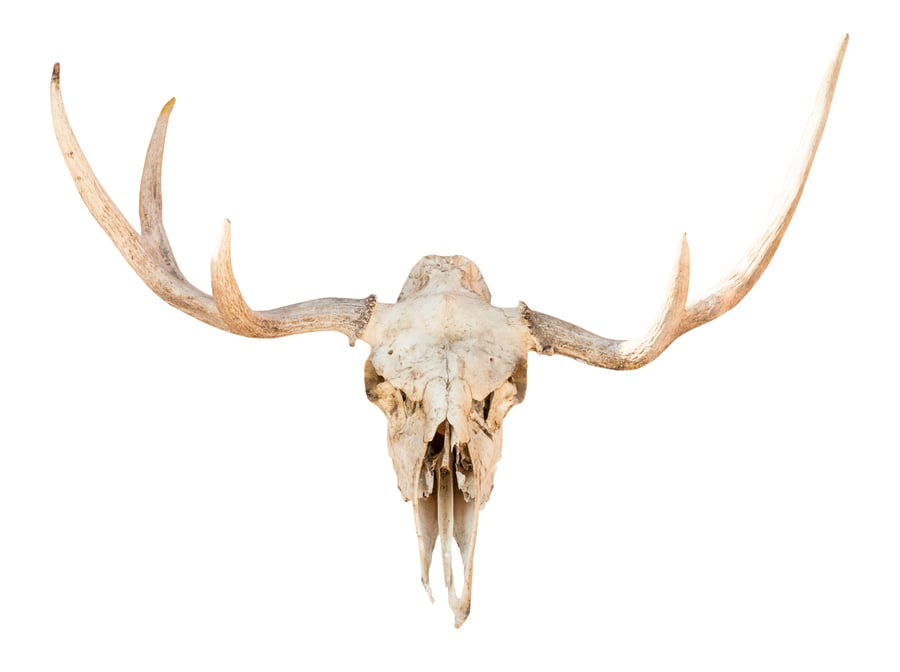
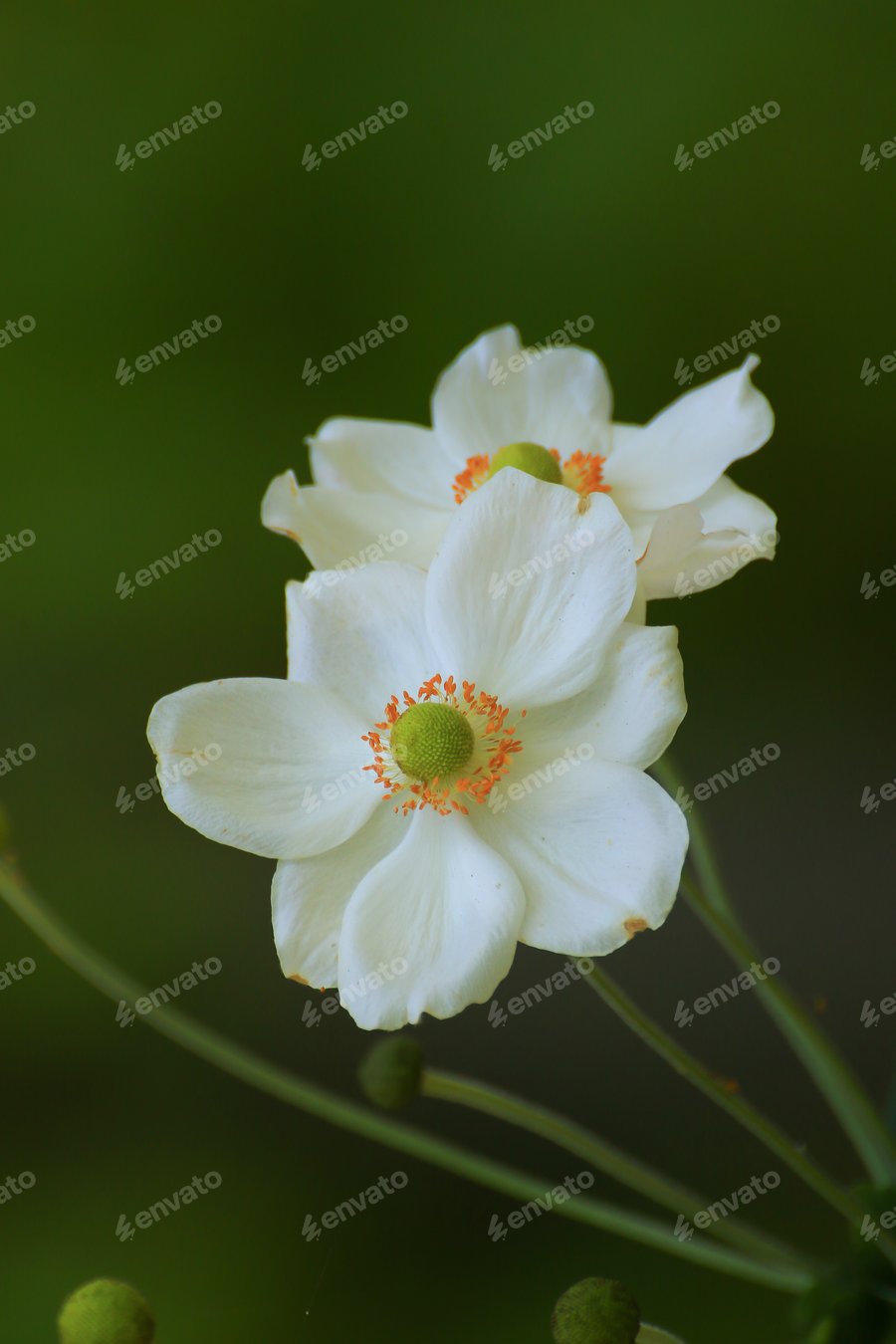
One of Georgia O’Keeffe’s most famous paintings, Summer Days, depicts a floating deer skull and wildflowers in a cloudy sky over a desert. It was inspired by her visits to New Mexico, where she eventually moved. Still considered part of the American Modernist movement, this painting also includes themes from Surrealism, with floating elements in the sky and shadows behind them. The skull and vibrant flowers symbolize the life and death cycles in the natural world.
Over her 98-year lifetime, Georgia O’Keeffe created over 2,000 works of art, including oil paintings, sketches, watercolors, pastels, sculptures, ceramic pieces, and photographs. As one of the world’s greatest artists, Georgia O’Keeffe’s style and influence have staying power and continue to inspire new art and collaborations, such as Music for the Eyes: A New Georgia O’Keeffe Experience at Electric Playhouse, where an immersive experience leads viewers through O’Keeffe’s creative process.
Bring Georgia O’Keeffe’s style and influence into your work!
Georgia O’Keeffe’s work continues to grow in popularity and inspires artists in all industries. With creative assets from Envato, you can bring the “Mother of American Modernism” ‘s amazing style into your projects! Read more about creative women, Frida Kahlo’s art style, or check out the video if you want more art inspiration.


